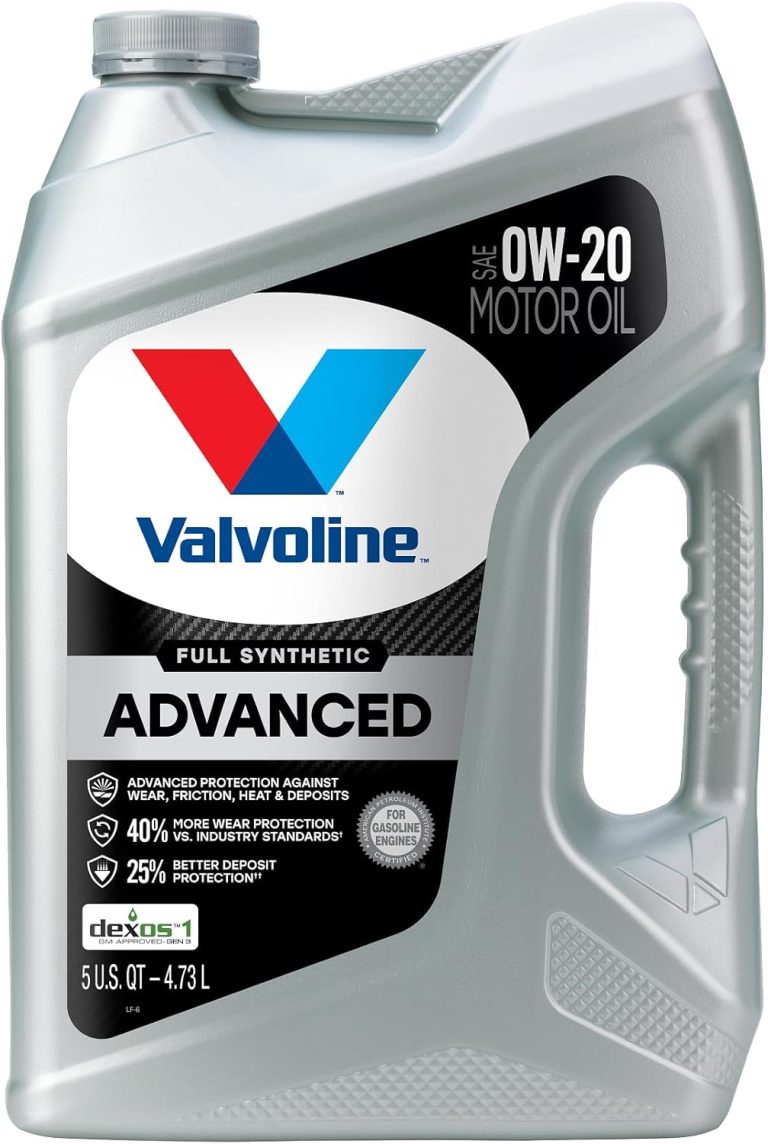
Valvoline MaxLife High Mileage 5W-30 Synthetic Blend Motor Oil 5 Quart
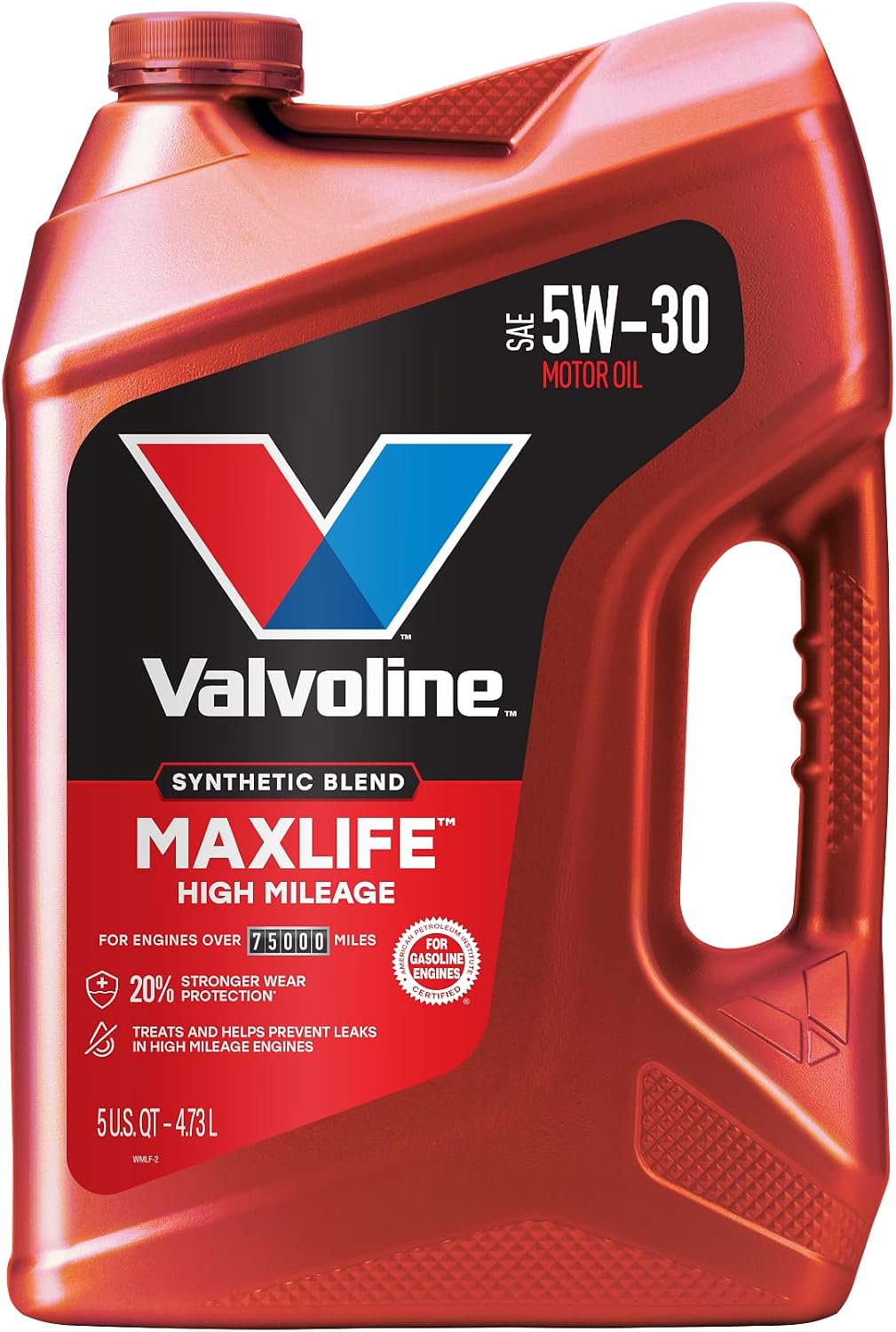
Valvoline MaxLife High Mileage 5W-30 Synthetic Blend Motor Oil is a five-quart bottle formulated for high-mileage car and truck engines. Valvoline positions it for engines with 75,000 miles or more, while also stating that it provides performance benefits for high-mileage, new, and rebuilt engines. Its formulation centers on seal conditioners, added detergents, and friction-fighting additives intended to support aging-engine cleanliness and protection.
Overview
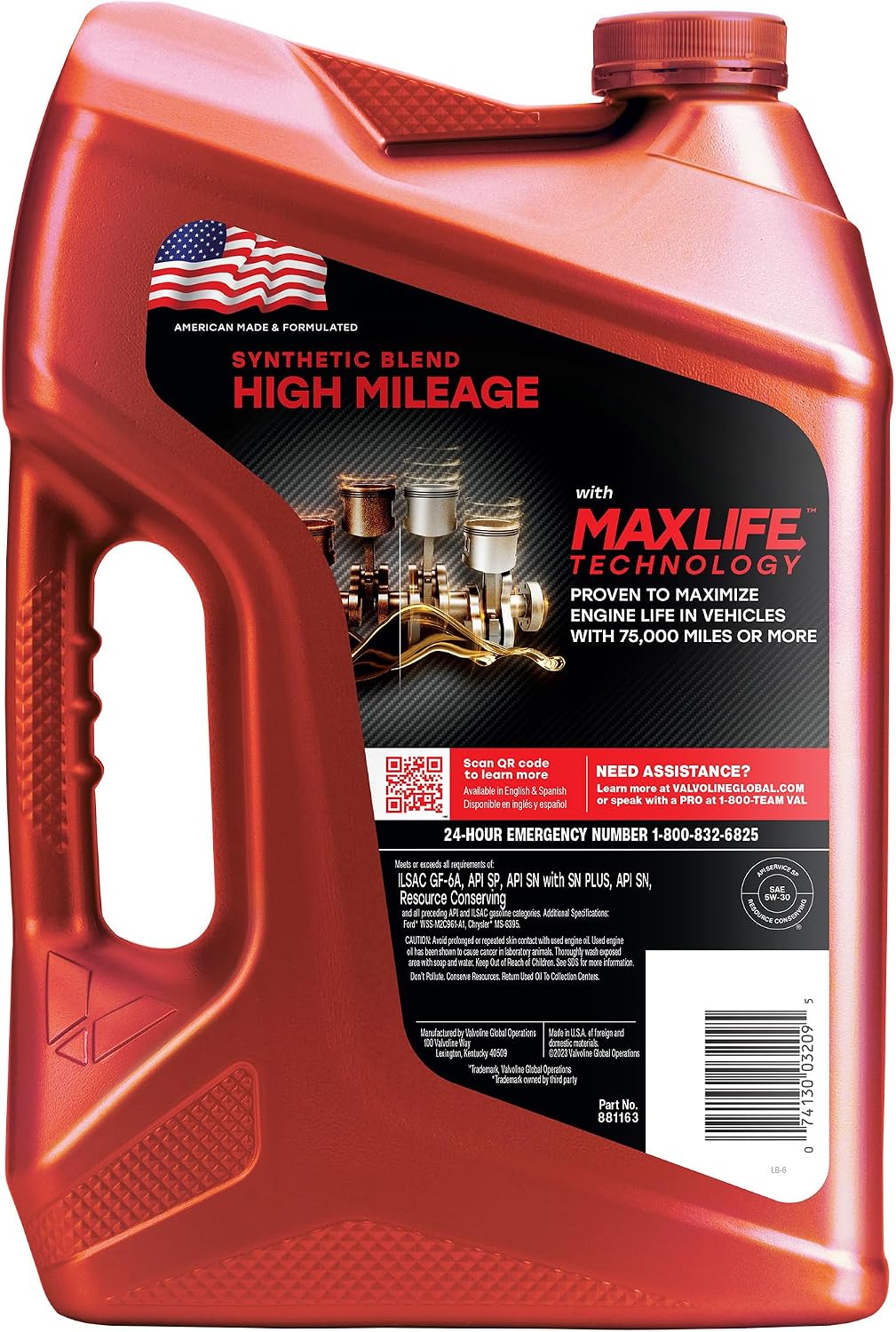
This MaxLife product is a 5W-30 synthetic blend motor oil supplied in a five-quart bottle. It is intended for car and truck use and is identified as a medium-viscosity motor oil under the SAE J300 5W-30 grade.
The product is designed around the needs Valvoline associates with aging engines, including hardened or shrunken seals, oil consumption, deposits, corrosion, and wear. The stated formulation includes seal conditioners, extra detergents, and advanced friction-fighting additives.
Related reading: Valvoline High Mileage Maxlife 5w 20 Synthetic Blend.
Key Features
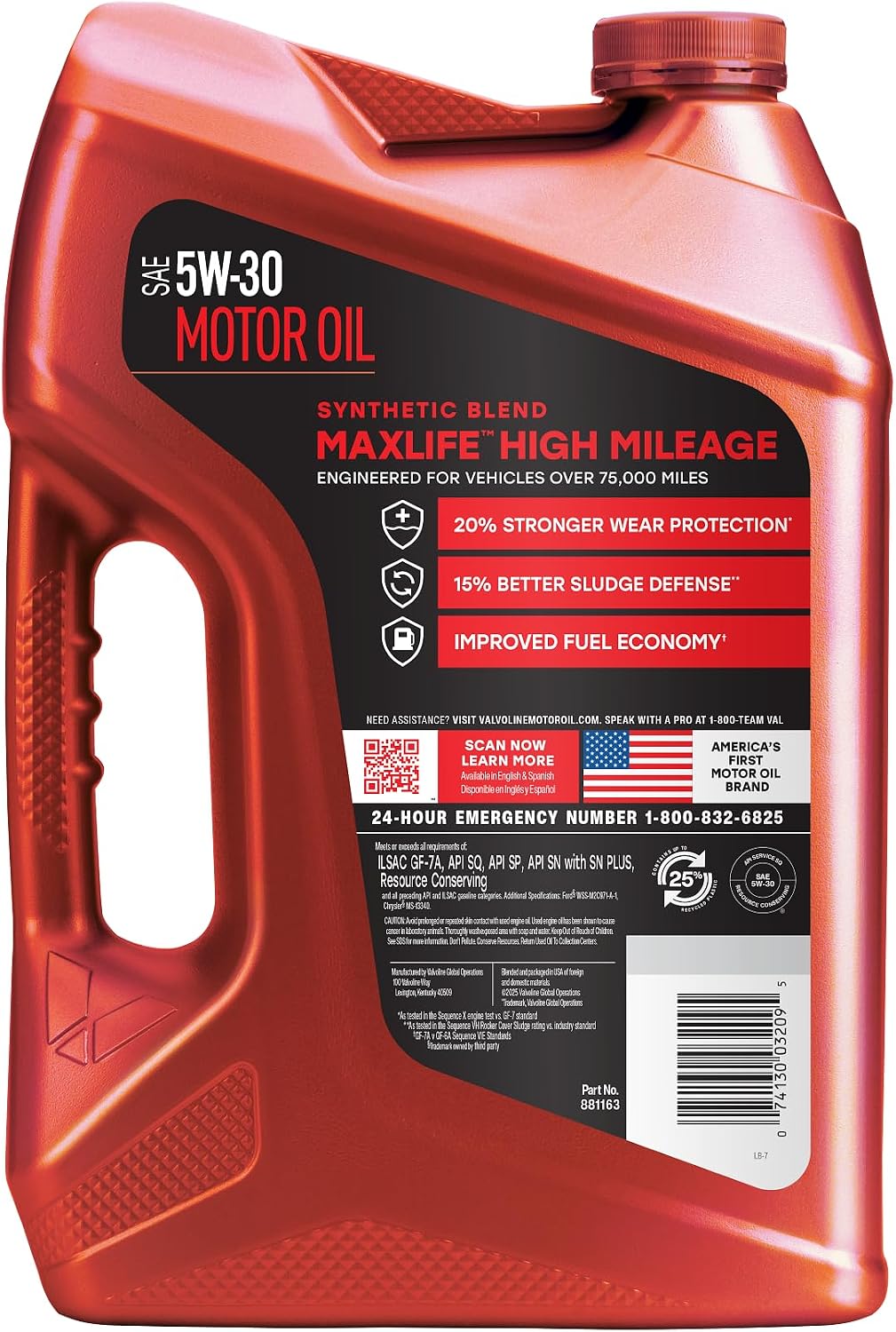
Valvoline states that the seal conditioners help restore flexibility to hardened or shrunken seals. The intended result is to help prevent and reduce oil leaks, maintain proper oil pressure, and minimize oil consumption over time.
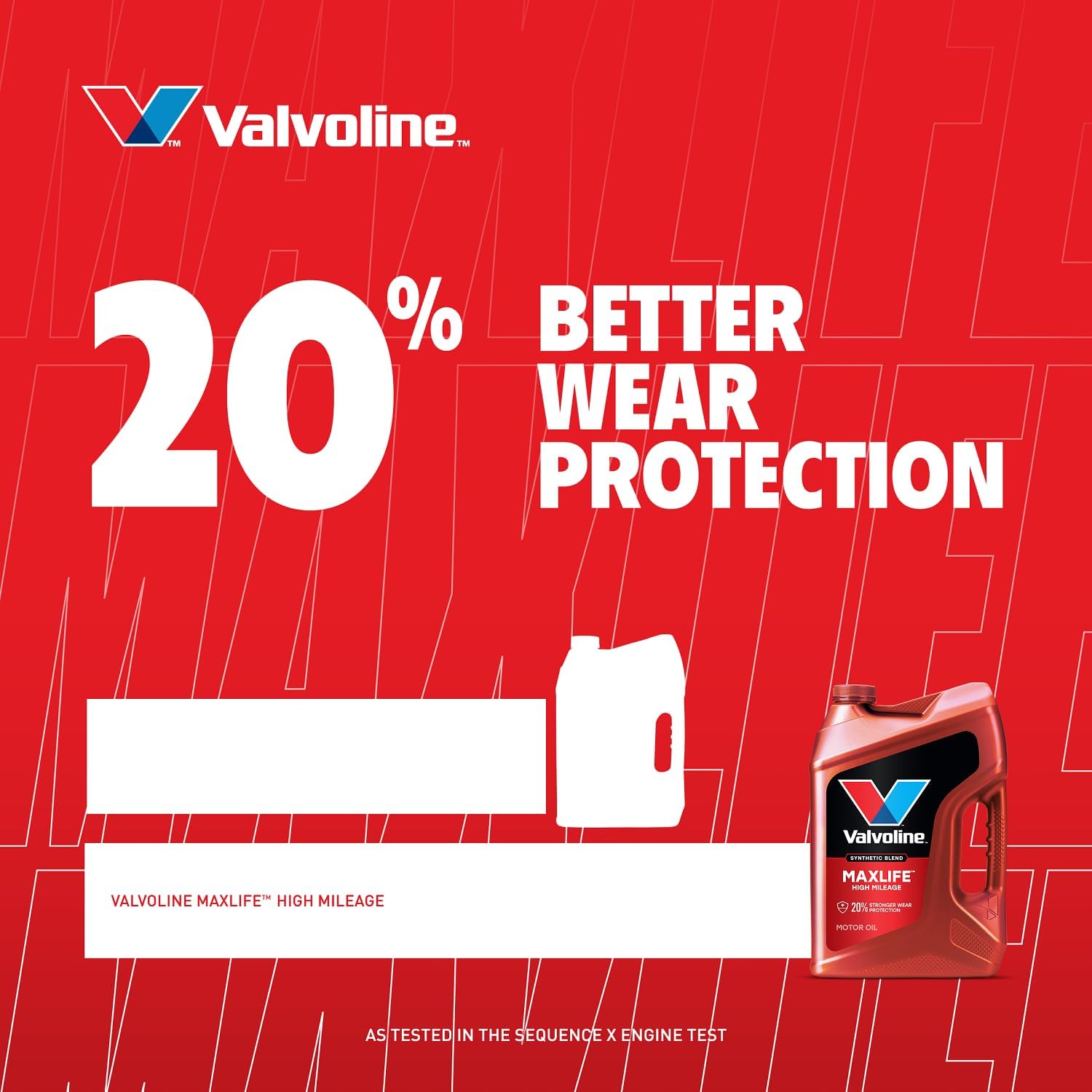
According to the manufacturer, the oil delivers 20% better wear protection and 15% better sludge defense than industry standards. Extra detergents are described as helping guard against friction, corrosion, deposits, and contaminants to support engine cleanliness.
The listed performance specifications include ILSAC GF-7A; API SQ, SP, SN with SN PLUS, Resource Conserving, and preceding API and ILSAC gasoline categories; Ford WSS-M2C971-A-1; and Chrysler MS-13340.
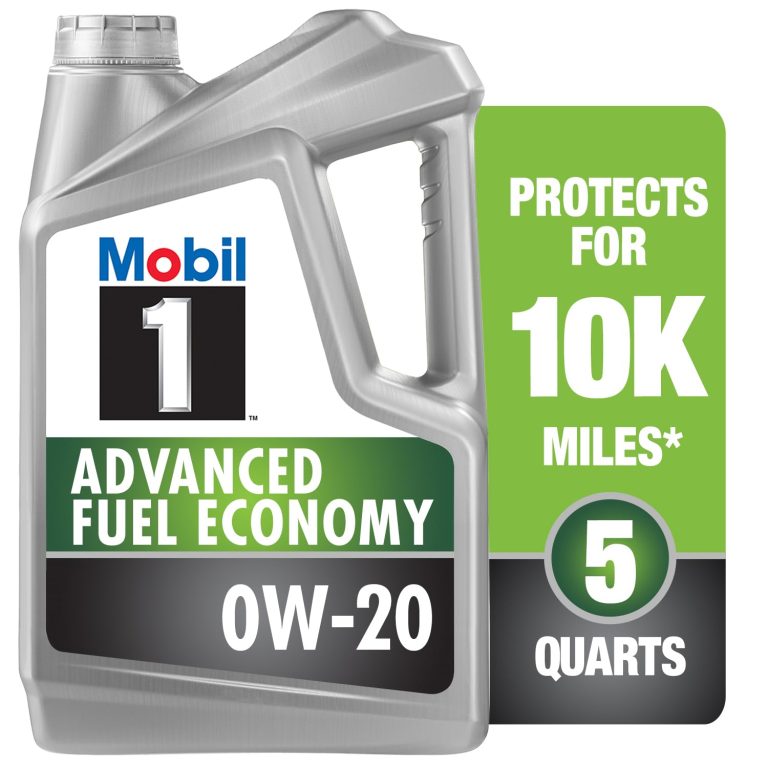
Related reading: Mobil Extended Performance High Mileage Full Synthetic Motor Oil.
Real-World Performance
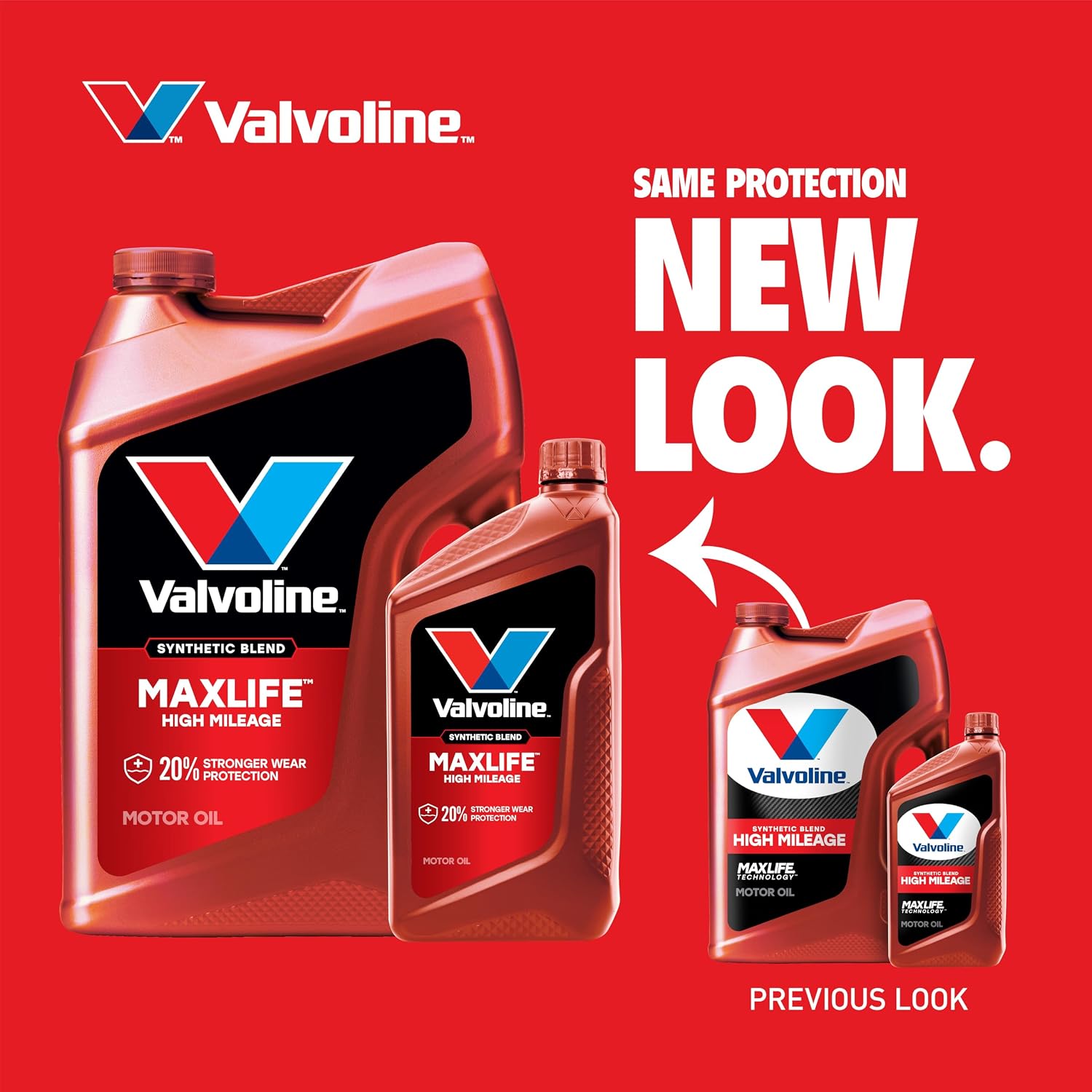
The product’s stated focus is protective maintenance for engines that have accumulated mileage. Its seal-conditioning approach specifically addresses the condition of aging seals, while the detergent package is intended to help limit deposits and contaminants.
Valvoline also says its friction-fighting additives help improve fuel economy and maximize performance. These are manufacturer performance claims rather than independently verified results within the supplied information, and outcomes can vary with the engine’s condition and required oil specification.
Related reading: Valvoline Full Synthetic High Mileage Maxlife 5w 20.
Ease of Use and Maintenance
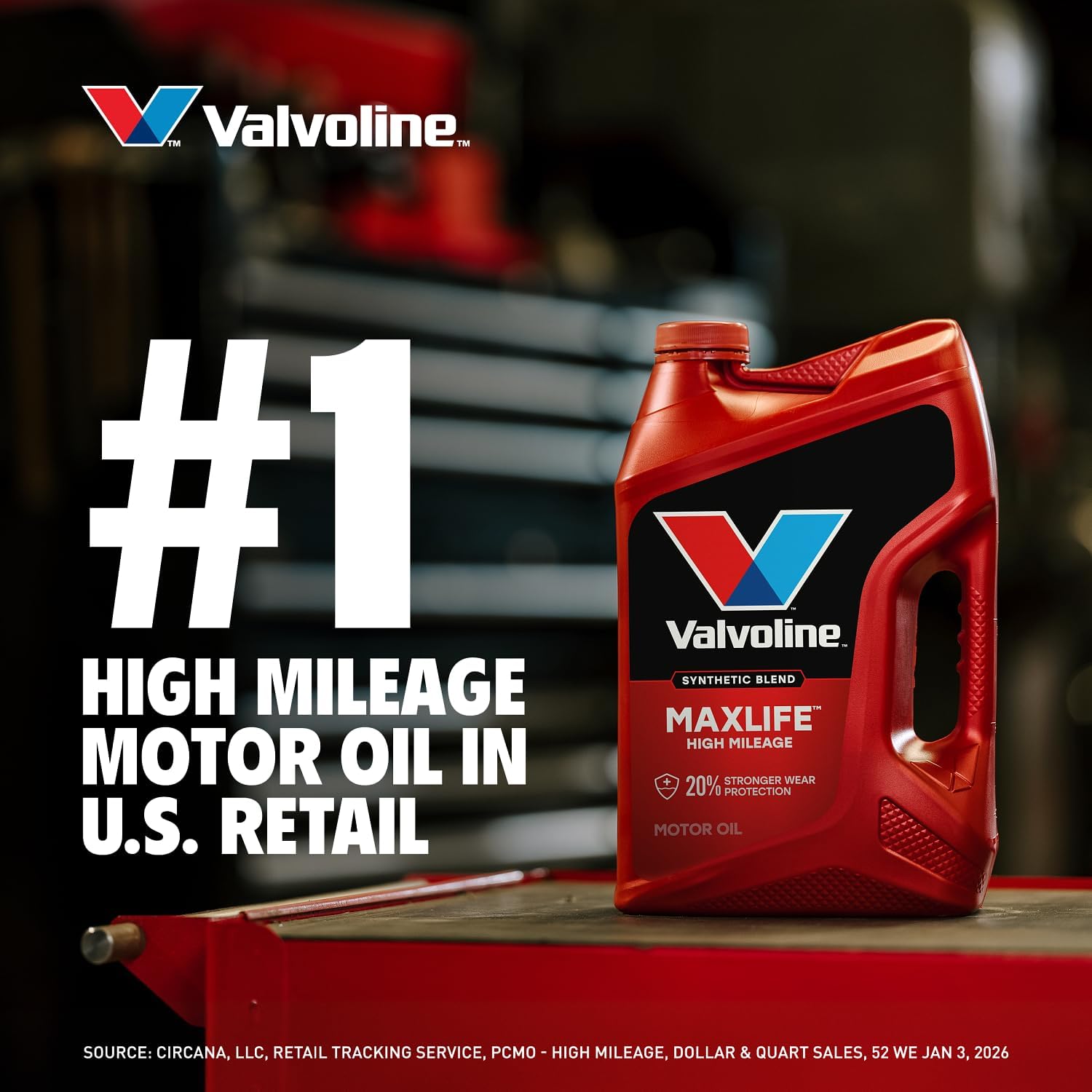
This configuration contains five quarts in a single bottle, with 160 fluid ounces listed as the unit count. The product is supplied as engine oil and uses a bottle container format.
The 5W-30 grade and listed specifications provide clear compatibility information for comparison against a vehicle’s required oil grade and standards. The available product family also includes other viscosity grades, sizes, and high-mileage formulation styles, so the selected version should be distinguished from related MaxLife options.
Pros and Trade-Offs

Notable strengths include a high-mileage-oriented synthetic blend formula, seal conditioners aimed at leak and consumption concerns, extra detergents for cleanliness, and a broad set of listed API, ILSAC, Ford, and Chrysler specifications.
The main consideration is fit: this is specifically the 5W-30 synthetic blend version in a five-quart bottle. Drivers whose vehicles require a different viscosity grade, a different quantity, or a full-synthetic formulation would need to select another option from the broader MaxLife range.
Who This Product Is For
This motor oil is intended for owners of cars and trucks that use 5W-30 oil and meet the listed specifications, particularly those maintaining engines with 75,000 miles or more. It may also suit Valvoline’s stated use cases involving new and rebuilt engines.
It is most relevant for drivers seeking a formulation that emphasizes seal conditioning, wear protection, sludge defense, and engine cleanliness. Its compatibility should be assessed against the required viscosity grade and specifications for the individual vehicle.