Mobil 1 Extended Performance Motor Oil 5W-30, 5 Quart
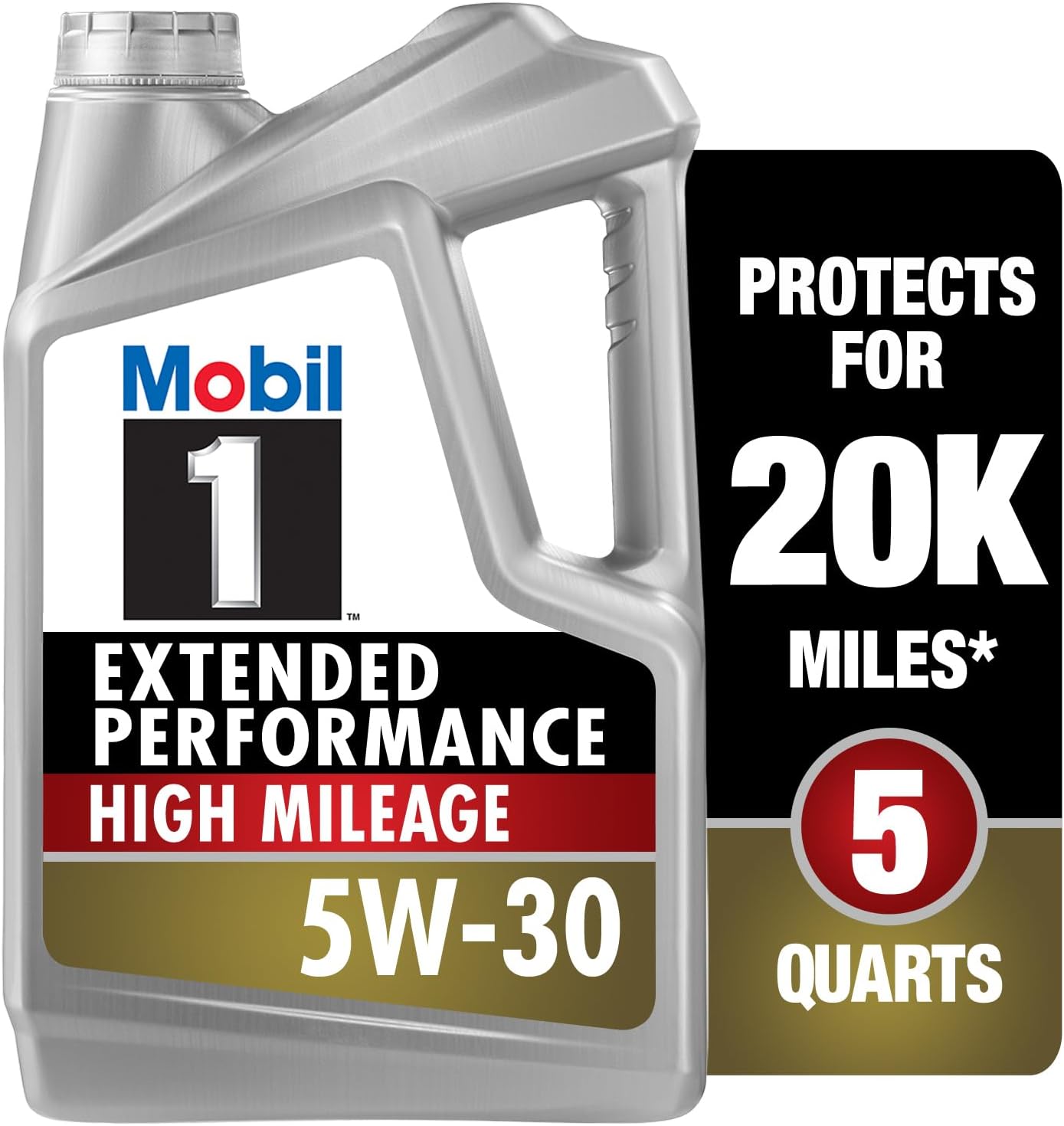
Mobil 1 Extended Performance High Mileage 5W-30 is a full-synthetic oil formulated for vehicles with higher mileage, offering additives to help condition seals, control deposits, and maintain consistent viscosity across temperature ranges. It’s aimed at owners who want extended protection and better cleanliness in aging engines, though you should still follow your manufacturer’s service recommendations.
Overview
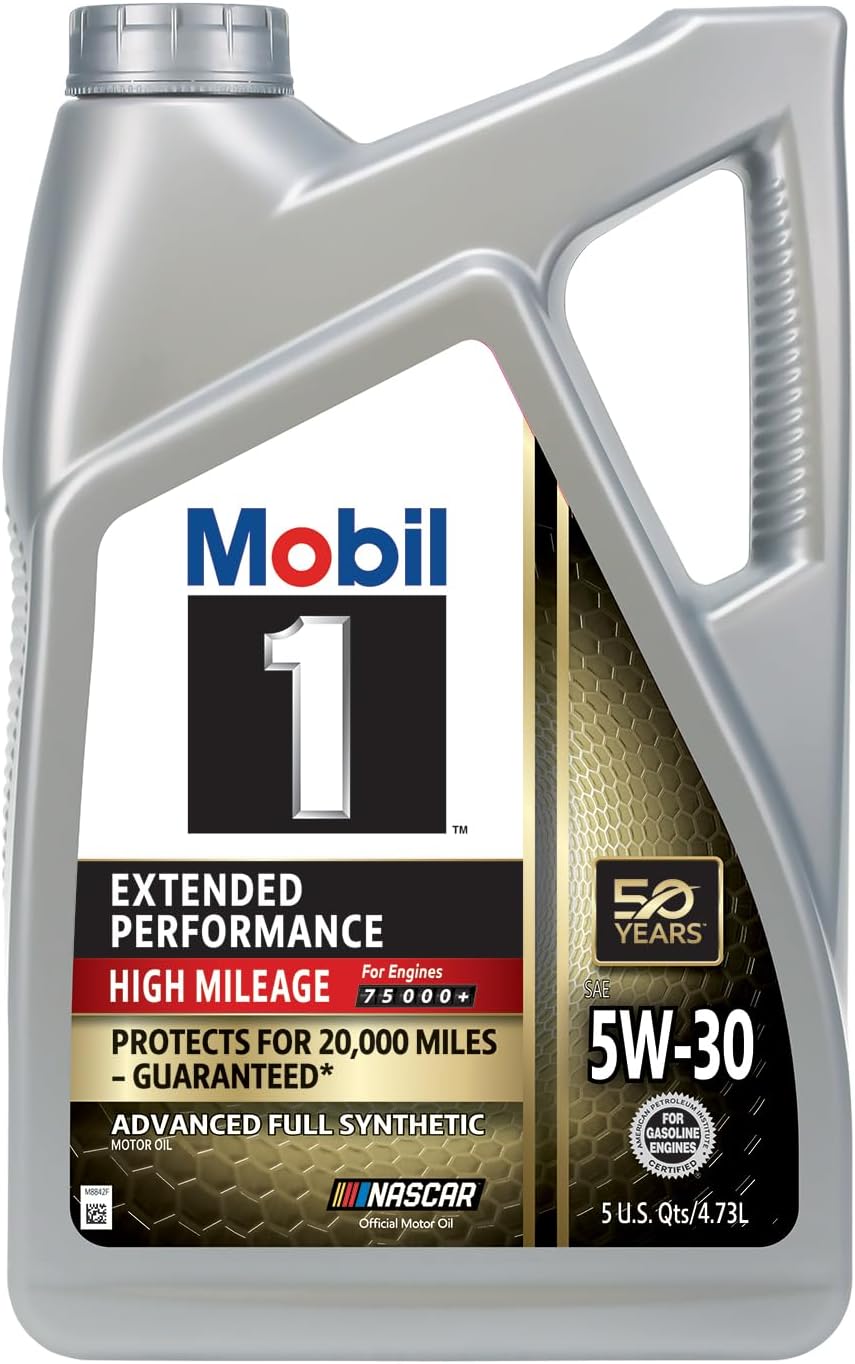
This product is a full-synthetic engine lubricant engineered to deliver extended protection for engines that have accumulated miles. It’s formulated to protect internal components from wear, help control deposits, and maintain performance under a range of operating conditions.
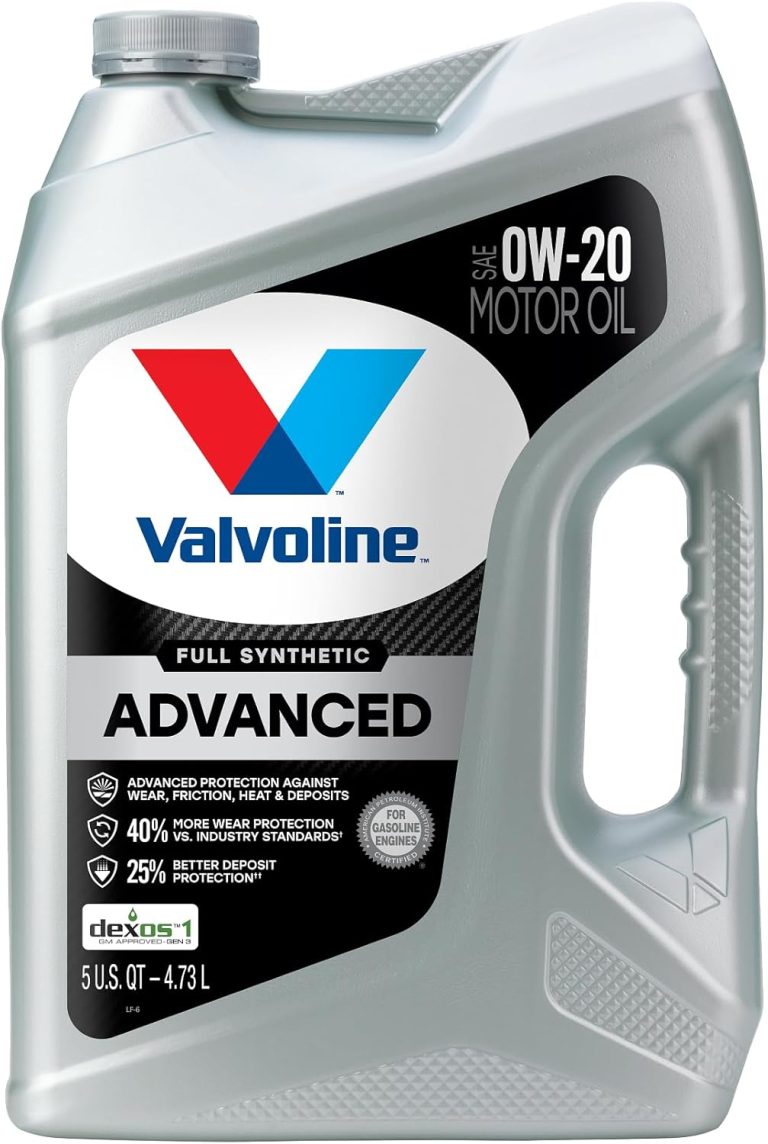
It targets drivers who own higher-mileage or aging vehicles and those who prefer the stability and protective advantages of synthetic formulations. The blend includes additives intended to condition seals and reduce issues commonly seen as engines age, while supporting consistent oil flow across temperature changes. For a different viscosity option, see our Mobil 1 Extended Performance 0W‑20 review for a useful comparison.
Overall, it addresses common high-mileage concerns — wear, sludge formation, and seal deterioration — with the goal of preserving engine health as vehicles accumulate miles. Exact benefits and recommended service intervals vary by model/version, so always follow the vehicle manufacturer’s specifications when selecting motor oil.
Key Features
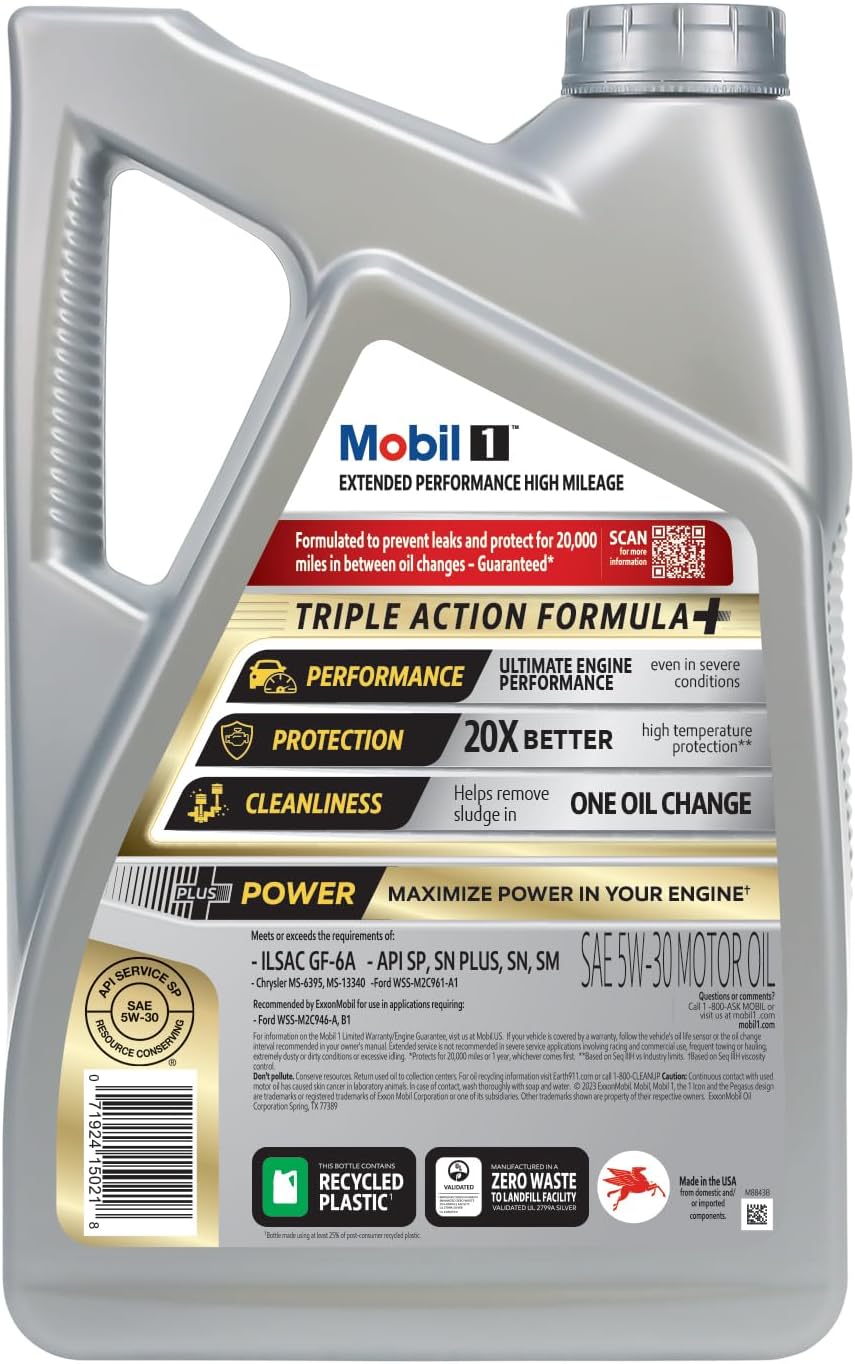
Its fully synthetic, extended-protection formulation is built to provide consistent lubrication and reduce engine wear under everyday driving conditions. That stability matters because a reliable oil film helps minimize metal-to-metal contact, especially during stop-and-go driving and highway runs.
The high-mileage-focused additives are intended to help preserve rubber seals and mitigate minor leaks that can develop as engines age. At the same time, cleaning agents work to keep deposits and sludge from building up, which supports smoother oil flow and more consistent performance over time.
Viscosity stability and resistance to oxidation help maintain protection during cold starts and under higher operating temperatures. Suitability varies by model/version, so always cross-check vehicle manufacturer recommendations before switching oils — and if you’re comparing variants, our Mobil 1 Extended Performance 0W‑20 article offers additional context.
Real-World Performance

On typical daily driving this oil provides steady protection for higher-mileage engines, performing well during cold starts and sustained highway cruising. The formulation keeps viscosity consistent enough to support engine longevity without frequent thermal breakdown in everyday use.
In urban stop-and-go traffic and short-trip driving it holds up without noticeable thinning, and it handles temperature swings reasonably well. Drivers who alternate between city errands and longer trips should see stable performance, though individual results depend on driving patterns.
There are limits: it won’t fix existing leaks or mechanical problems, and compatibility with specific engines and seals varies by model/version. Recommended service intervals also depend on the vehicle manufacturer and how the car is driven, so follow the owner’s guidance rather than assuming extended stretches between changes.
Overall, the oil tends to maintain smooth engine operation between services and can reduce noise in older engines, while delivering dependable protection under a variety of real-world conditions.
Ease of Use and Maintenance
Changing and maintaining this oil is straightforward for both DIYers and shops: warm the engine briefly for easier drainage, park on level ground, and replace the filter at each service. Exact fill amounts and recommended change intervals vary by model/version, so always follow the vehicle manufacturer’s guidance or an oil-life monitor rather than guessing.
When refilling and cleaning up, wipe the filler neck and surrounding surfaces to prevent grime buildup and use a funnel or a steady pour to minimize spills. Store used oil in a sealed container and take it to an approved recycling facility; proper disposal is part of routine maintenance and helps avoid stains and environmental issues.
Ongoing upkeep is low effort—check the dipstick or electronic level shortly after the first run following a service and top up only if needed. Watch for leaks at the filter and drain plug, monitor oil-condition indicators, and schedule regular inspections; service frequency will depend on driving conditions and the vehicle’s maintenance plan.
Pros and Trade-Offs
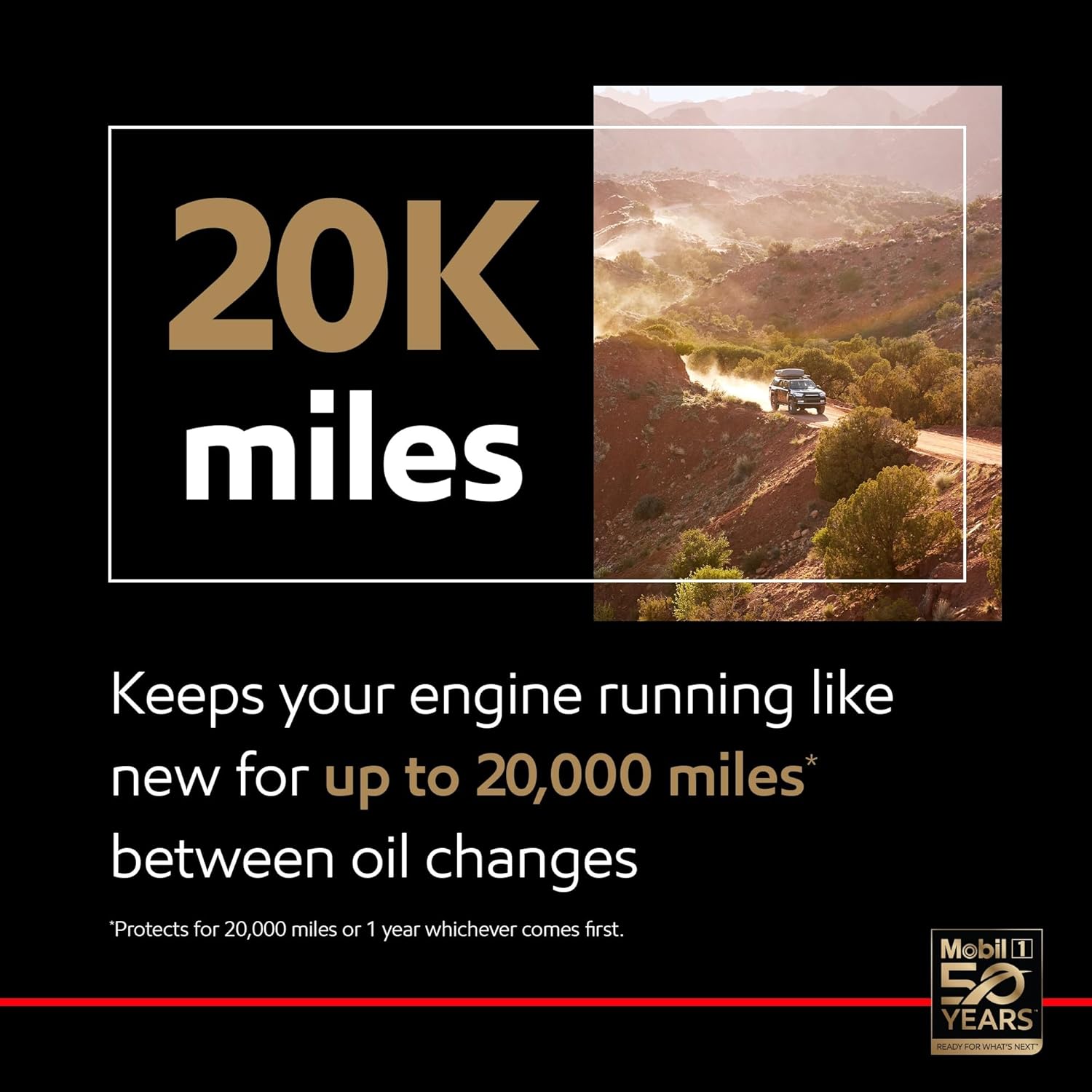
The main advantages are long-lasting protection and formulation stability under a range of operating conditions, which can help reduce engine wear and maintain performance in older, higher-mileage engines. Users often notice improved cold-start flow and less deposit buildup compared with conventional oils, and conditioning agents can help preserve seals in engines showing some age-related hardening.
On the downside, the upfront cost is typically higher than standard motor oils, and extended drain recommendations may not apply to every vehicle—always follow manufacturer guidance because service intervals and warranty considerations vary by model/version. For some engines with preexisting leaks or heavy oil consumption, switching formulations may not solve those mechanical issues and could require additional repairs.
Overall, it’s a solid choice for owners who prioritize longer protection and seal care in aging powertrains, but weigh the higher per-quart price against how you use the vehicle and confirm compatibility with your engine’s requirements.
Who This Product Is For
This one suits owners of higher-mileage cars who want dependable engine protection between services. If you put lots of miles on the road, drive in varied conditions, or prefer a lubricant that emphasizes wear control and deposit management, this formulation is aimed at that use case.
It’s also a sensible option for drivers who prefer synthetic oils and want consistent performance across temperature changes. DIYers and independent shops that offer extended-interval service plans may find it aligns with customers looking for more durable protection without frequent topping up.
Skip this if you’re primarily seeking the lowest-cost conventional option or if your vehicle requires a very specific factory-approved fluid — specifications and compatibility vary by model/version, so check the owner’s manual or a dealer if you’re unsure.
As an Amazon Associate, I earn commission on qualified purchases.