Oura Ring 4 Silver – Smart Ring for Sleep & Activity
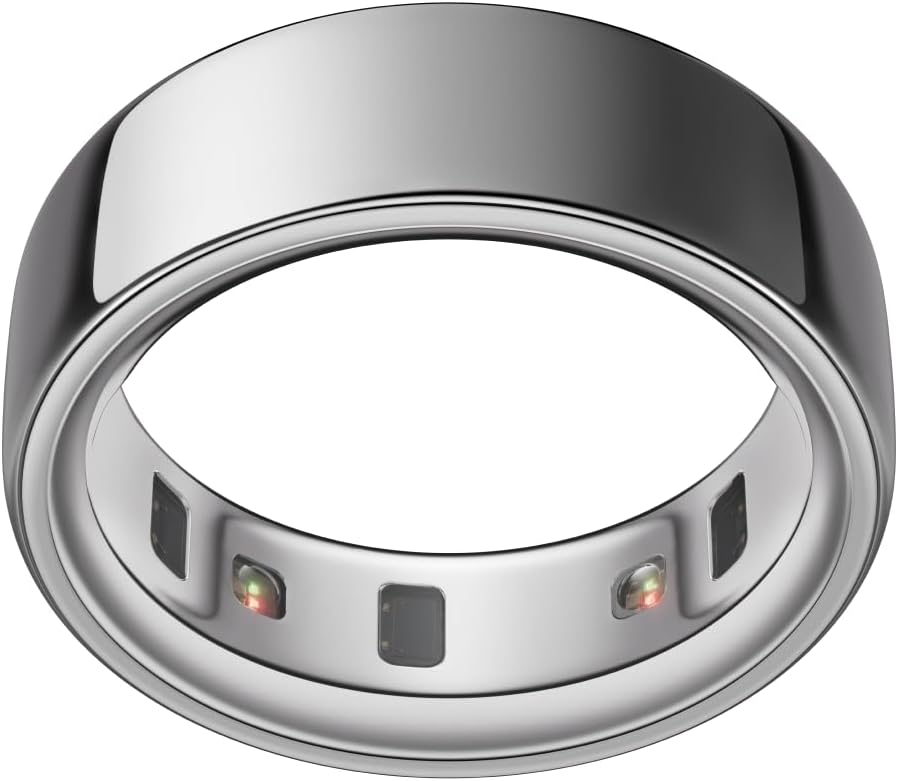
This compact smart ring offers continuous biometric tracking—sleep, activity, recovery and women’s health—packaged in a low‑profile titanium form. It pairs with Android and iOS, provides app-driven insights and an AI advisor, and is aimed at users who prefer discreet, round‑the‑clock monitoring over wrist-worn devices.
Overview
This is a compact smart ring designed to monitor sleep, daily activity, and women’s health signals while delivering actionable insights through a companion app. Its form factor emphasizes discretion and continuous wear, letting the device gather overnight and daytime biometric data without the bulk of a wrist-worn tracker.
Data collected by the sensors is processed into readable trends and suggestions, with an AI-driven advisor intended to help you interpret recovery, sleep quality, and activity balance. Battery life and exact runtime depend on the model/version and how you use the device, so check the specifications for the configuration you choose.
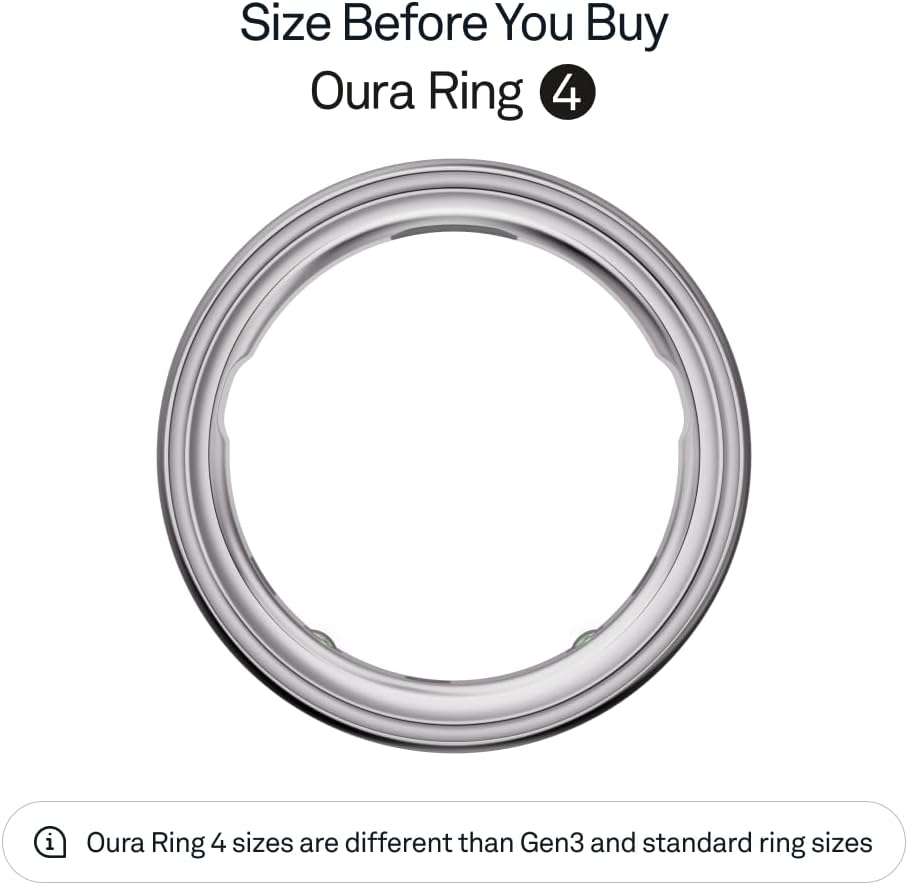
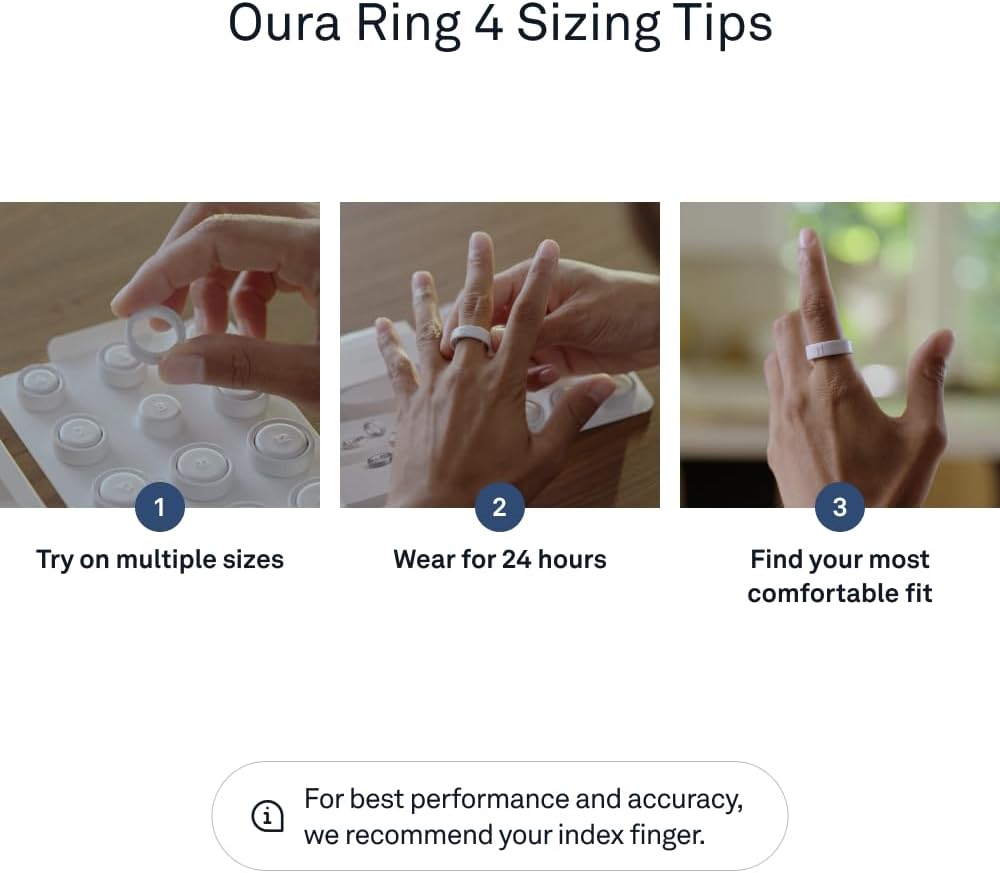
It’s aimed at people who prefer a low-profile wearable and want clearer guidance on rest and recovery, including cycle-aware health tracking for women. The ring comes in multiple sizes with a sizing option before purchase and pairs with both Android and iOS devices, making it suitable for most smartphone users.
Key Features
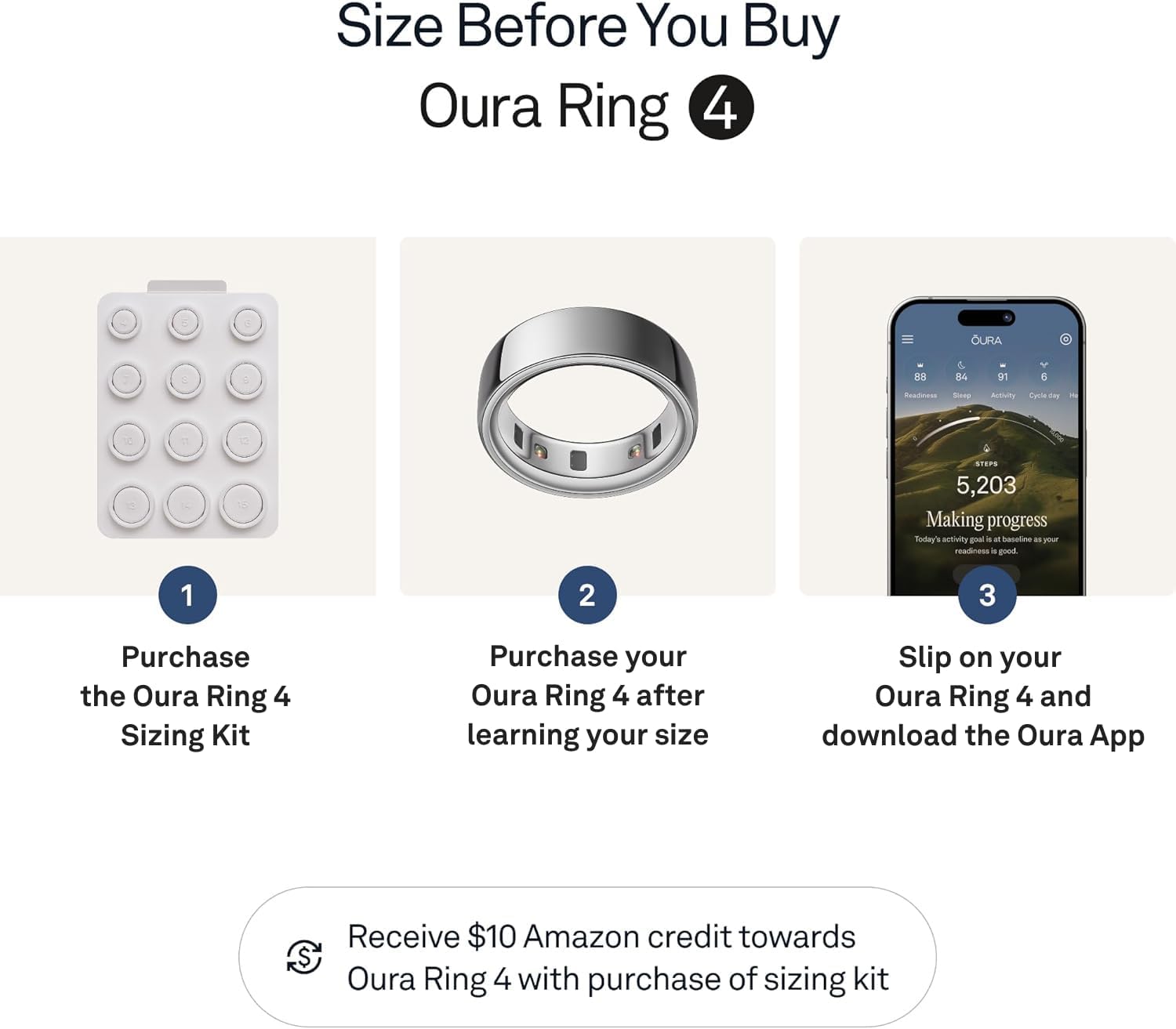
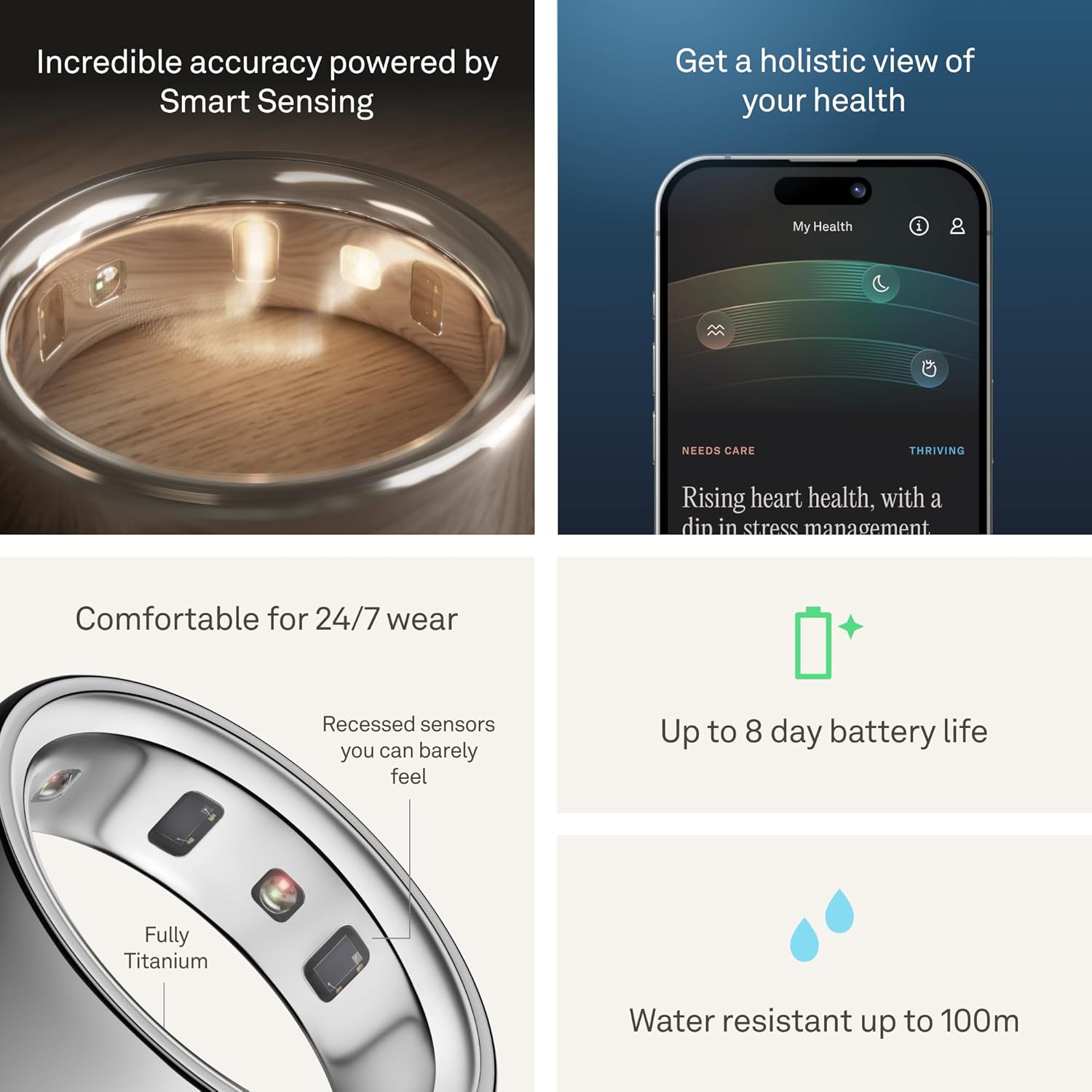
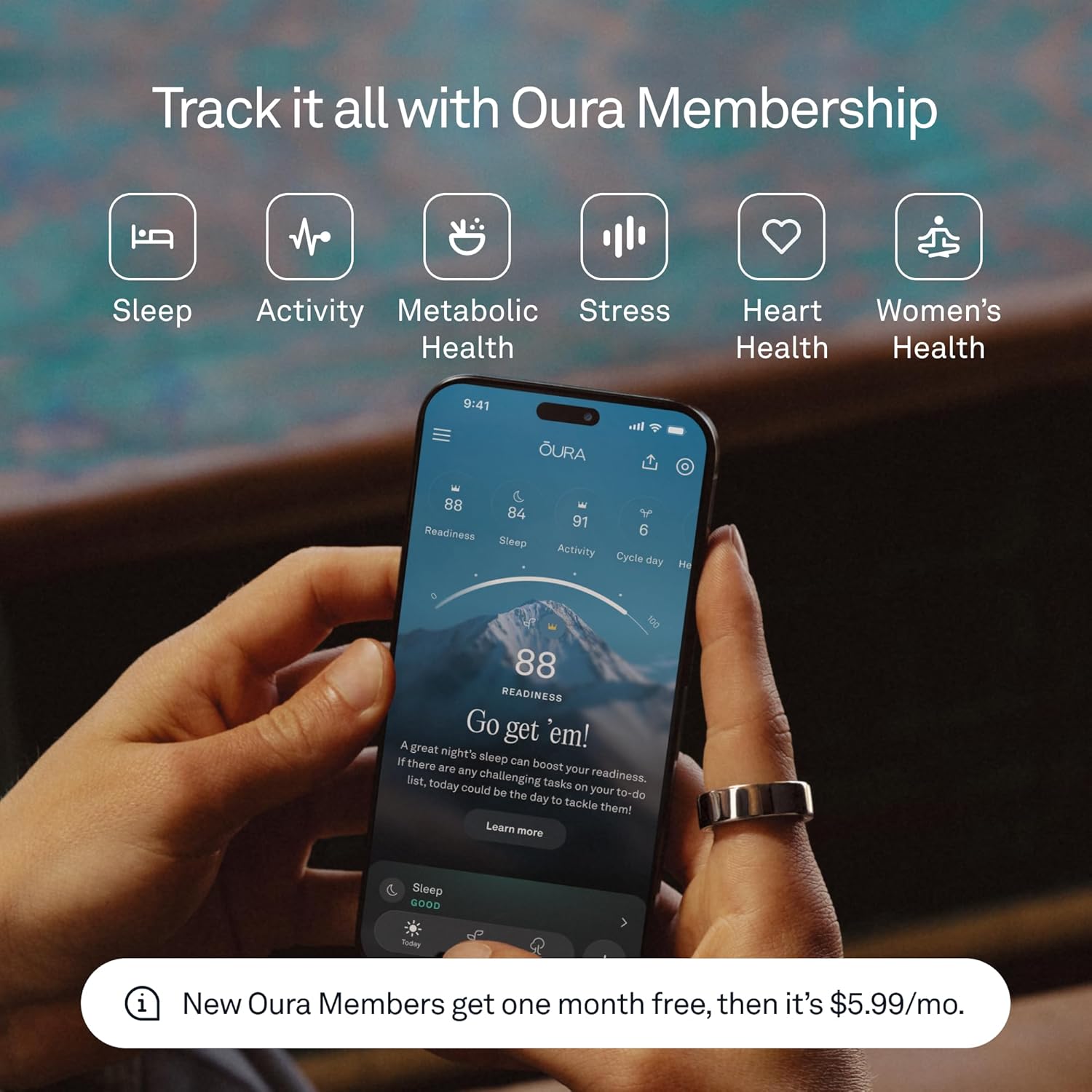
This wearable centers on continuous health monitoring, with specific emphasis on sleep analysis, daily activity tracking, and tools for menstrual and reproductive health. Onboard sensors capture physiological signals over time so the accompanying software can show nightly sleep patterns, movement and recovery trends, and cycle-related changes in an integrated way. The AI-driven guidance interprets those signals into tailored suggestions rather than just raw data.
Comfort and fit are treated as practical features: the design is intended for all-day and overnight wear, and a sizing option helps ensure you select the right ring before committing. Battery performance is described as providing multiple days between charges, though actual endurance varies by model/version and individual usage patterns.
Data is synchronized to a mobile app available for both major smartphone platforms, where readings are presented as clear charts and concise recommendations. For buyers who want actionable, easy-to-follow insights—help with sleep habits, activity pacing, or tracking cycle-related trends—the combination of automated tracking and personalized suggestions is the key benefit.
Real-World Performance
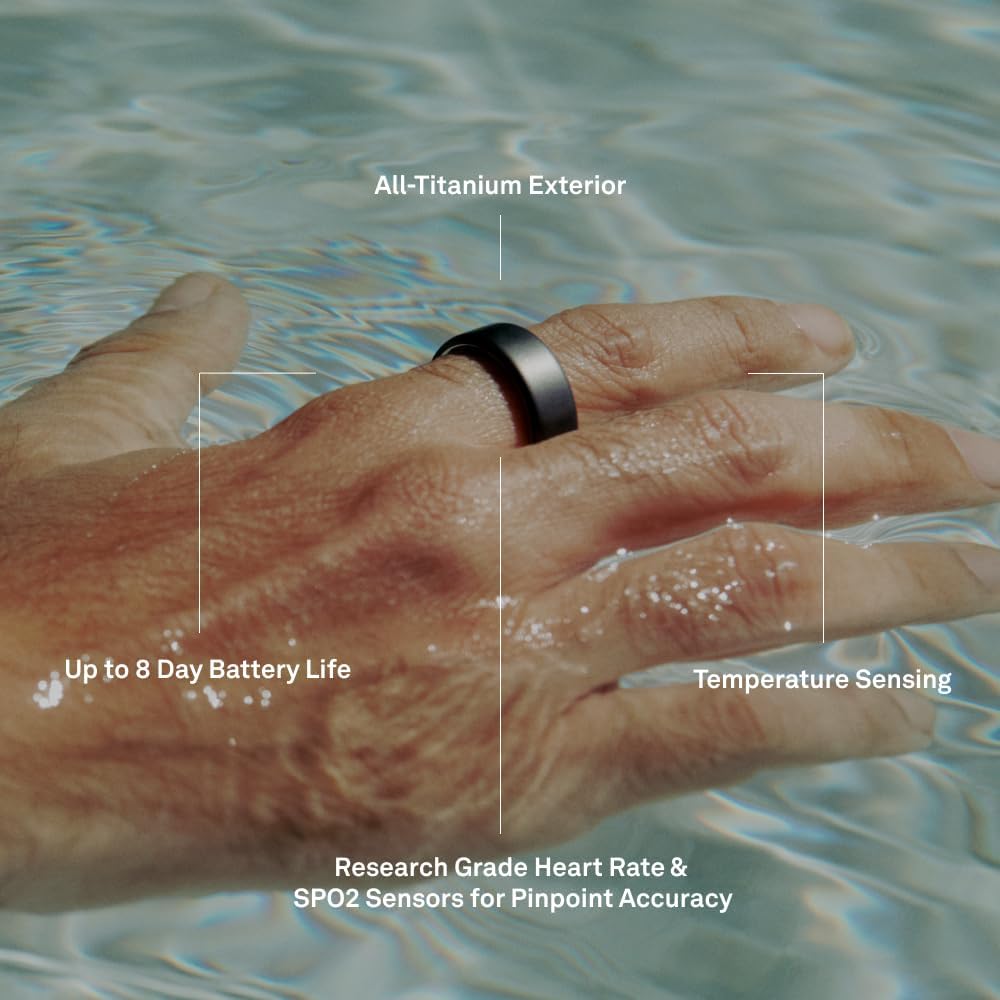
In everyday use the ring is unobtrusive enough to wear around the clock, so sleep and daytime trends build up naturally without much attention. Sleep tracking generally captures bedtimes, wakeups, and obvious disturbances reliably, and activity logging gives a clear picture of movement and recovery across weeks. During very intense or irregular workouts some physiological readings can show more variability, so those metrics are best used as directional guidance rather than absolute measurements.
Battery life and charging are part of the routine; expect to remove it for charging on a regular cadence rather than never thinking about power. The companion app syncs data smoothly on most phones, and firmware updates can refine performance over time, so occasional behavioral changes are possible and depend on model/version. Comfort for all-day wear is high for most users, though proper sizing up front matters to avoid ring movement that can affect readings.
The coaching or advisor features provide actionable suggestions based on trends, but the advice can sometimes feel broad until you’ve accumulated several weeks of data. Women’s health insights are useful for spotting patterns, though individual experiences vary and the device should not replace medical consultation. Overall, it performs well for lifestyle monitoring and habit improvement, with the usual caveats that sensor limits and firmware updates can influence specific readings.
Ease of Use and Maintenance
Setup is largely guided by the companion app, which walks you through pairing, account creation, and initial sensor checks. If you used a sizing option before buying, confirm the fit during first use so the sensors sit snugly and comfortably on the finger. The app also helps tune basic preferences, so daily tracking starts with minimal fuss.
Cleaning and everyday care are straightforward. Wipe the outer surface with a soft cloth and mild soap and water as needed, and make sure the ring is dry before placing it on a charger. Avoid abrasive cleaners, strong chemicals, or rough scrubbing that could dull the finish or affect sensor contacts, and inspect it occasionally for any signs of wear.
Ongoing upkeep includes keeping the companion app and firmware up to date to receive improvements and fixes. Charger and battery maintenance guidance can vary by model/version, and replacement or warranty policies differ between vendors, so check those specifics with the seller or manufacturer. For resizing, repairs, or loss, contact customer support to learn about exchange and replacement options.
Pros and Trade-Offs
The design is a clear strength: lightweight, low-profile wear makes it easy to keep on through sleep and daily activity, and the sensor suite supports actionable wellness insights like sleep stages, recovery signals, and cycle-related tracking. Built-in AI guidance helps turn those metrics into concrete suggestions rather than leaving you to interpret raw numbers.
On the other hand, the device sits in the premium category so cost is a consideration, and some advanced insights or cloud features may require an additional service or subscription. Battery life and exact sensor capabilities vary by model/version, so expectations should be set accordingly before purchase.
Functionally, it depends on pairing with a companion app for full-feature access and trend history. That setup delivers richer context but adds a bit of friction for users who prefer a stand-alone tracker or need strictly clinical-grade readings; the output is best used for personal trends and lifestyle decisions rather than medical diagnosis.
Overall, it’s a strong option for people who want detailed, ongoing health feedback and coaching-like recommendations. It may be less appealing for budget-conscious shoppers or anyone who wants a completely hands-off, zero-maintenance device.
Who This Product Is For
This device is best for people who take sleep and recovery seriously and want more than basic rest metrics. If you value nightly detail, long-term trend tracking, and AI‑style guidance that translates data into practical suggestions, this is aimed at that use case.
It’s also a fit for active users who prefer a low‑profile wearable and for those tracking cycle-related or women’s health patterns alongside activity. The form factor suits anyone who likes wearing a ring rather than a wrist device and who wants straightforward smartphone integration with their health data.
Skip this option if you need a very inexpensive, no‑frills pedometer or if you never wear rings or jewelry. Likewise, it isn’t the right choice for someone seeking immediate clinical diagnoses; for medical concerns, professional evaluation is the safer path.
As an Amazon Associate, I earn commission on qualified purchases.