Delamu Cord Hider – 157in Cable Raceway Kit, White
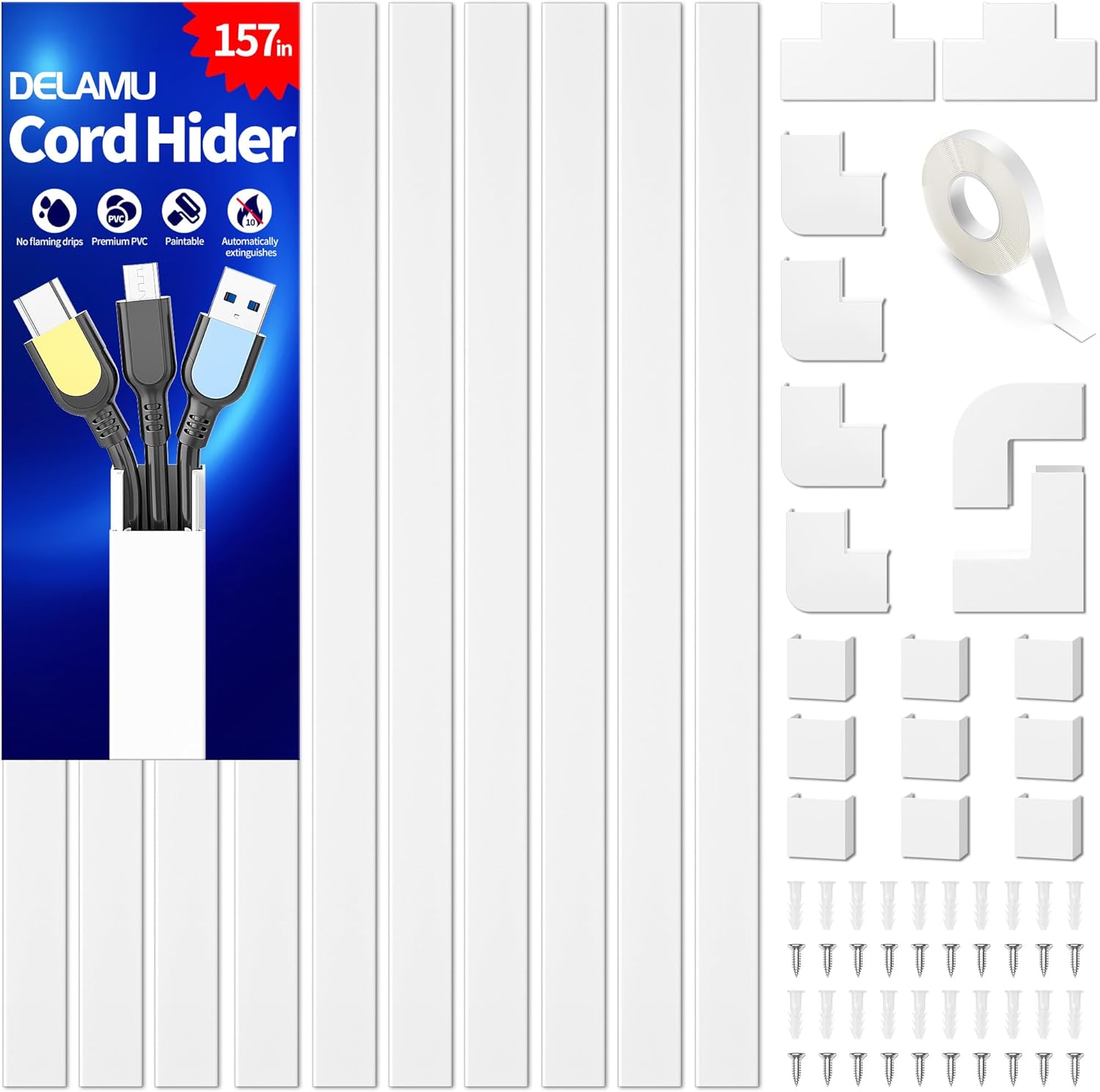
The Delamu Cord Hider is a 157‑inch surface-mounted cable raceway kit that hides multiple low‑voltage and power cords along walls and baseboards for a neater, safer look. It uses a snap-on cover for easy access, offers flexible mounting options, and is made from flame‑retardant plastic aimed at simple DIY installs. Overall it’s a reversible, budget‑friendly way to tidy TV and workstation wiring without opening walls.
Overview
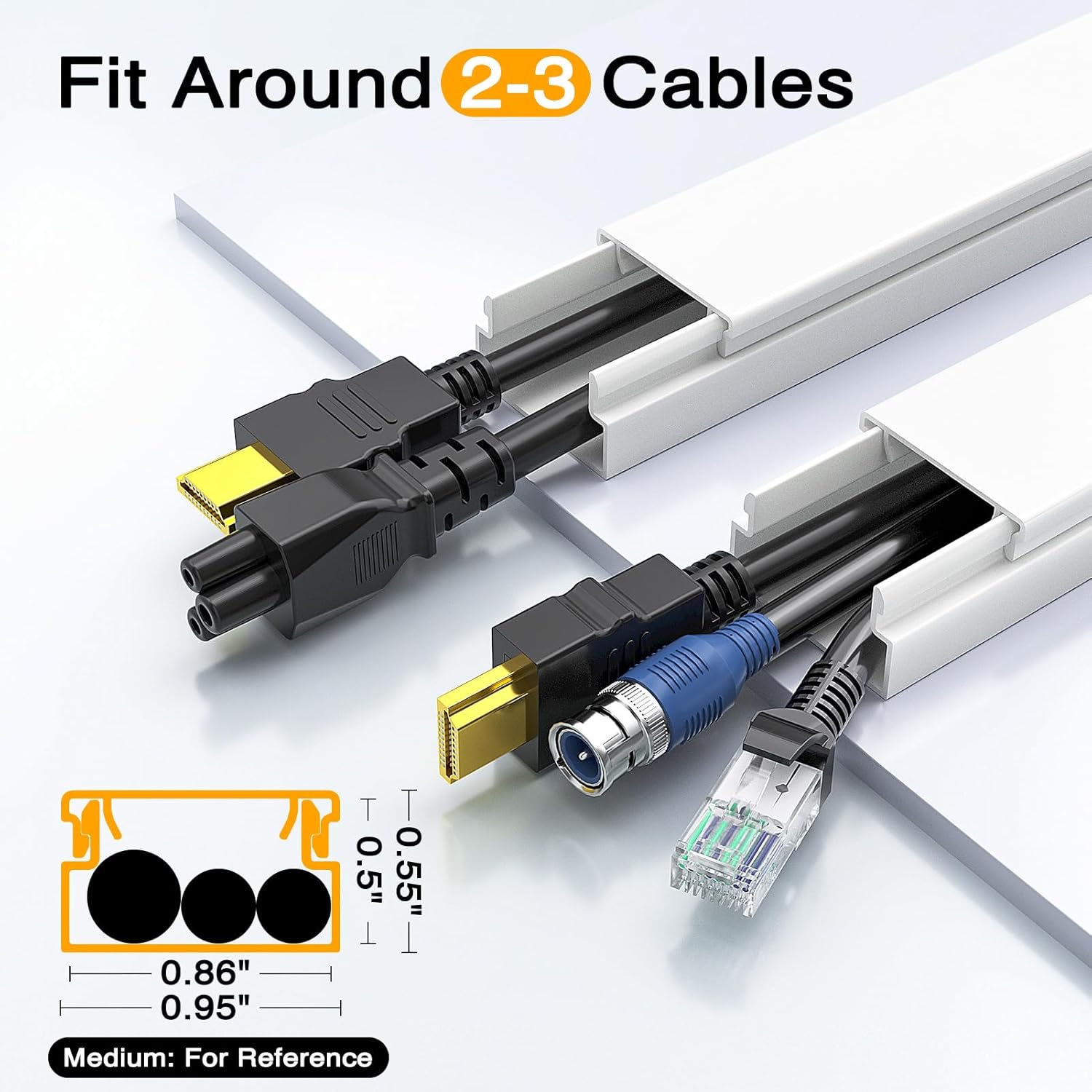
This is a surface-mounted cable raceway kit that covers exposed cords running along walls or baseboards. It provides a low-profile channel to tuck power cables, HDMI leads and other low-voltage wires out of sight, creating a cleaner visual around TVs, media consoles and workstations.
The design is aimed at homeowners and renters who want a neater look without opening up walls, as well as installers and DIYers looking for a simple, reversible solution. It works where you need to route several cables together and keep them organized along a wall surface.
By concealing cables it improves room aesthetics, reduces the chance of tangles and trip hazards, and helps protect cords from pets or accidental pulls. For anyone tired of visible wiring around a screen or desk, it solves the everyday problem of messy, exposed cabling.
Key Features
A low-profile channel keeps power and AV leads tucked neatly against the wall, which makes a mounted TV or media area look much cleaner. The streamlined shape reduces the visual bulk of cable runs and helps cords lie flat so they don’t draw attention or snag on furniture.
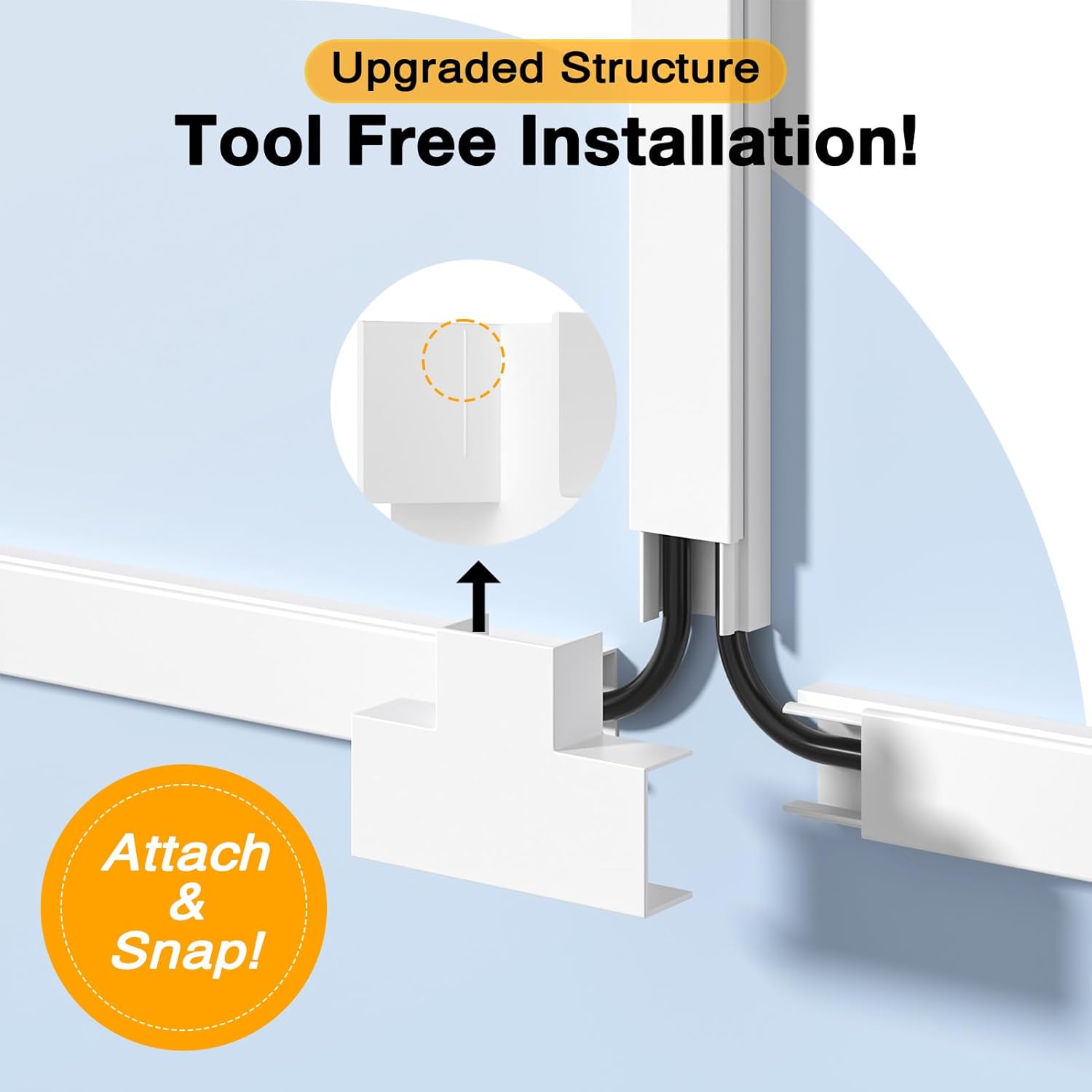
A removable cover makes it straightforward to add, replace, or rearrange wires without cutting the raceway or starting over. That accessibility is useful for seasonal swaps, new devices, or when upgrading a single cable in a crowded bundle.
Mounting options vary by model/version; some installations favor quick-press adhesive for temporary placement while others use mechanical fasteners for a more permanent hold. That flexibility lets you choose an approach that suits drywall, brick, or other surfaces.
Sections that can be trimmed or joined simplify running lengths behind entertainment units and along baseboards, and the enclosed channel protects cords from abrasion and curious pets. Overall, the system focuses on tidy routing and easy access rather than hiding problems with the underlying wiring.
Real-World Performance

In everyday use this cable management solution noticeably cleans up visible wiring and gives wall‑mounted setups a more finished appearance. When routed neatly it reduces the visual clutter around TVs and workstations, and the channel keeps cords aligned so they don’t dangle or tangle behind furniture. The overall look is typically much neater than leaving cables exposed.
Installation results vary depending on the surface and mounting method; some people find it a quick DIY job, while textured or poorly prepared walls can require extra fasteners or prep. Once secured correctly it generally stays in place under normal household conditions, but adhesion and long‑term hold depend on the version and how it was mounted.
There are practical limits to be aware of: capacity and internal shape differ between versions, so very thick power bricks or large bundles may need alternate routing. Corners and complex layouts often require additional trimming or accessory pieces, and dust can accumulate inside the channel, so occasional opening and cleaning helps maintain appearance.
Durability in typical indoor environments is fine for everyday wear, though long‑term aging and color changes vary by model/version and environmental factors like sunlight. This type of product is useful for surface concealment, but it isn’t a substitute for in‑wall wiring or professional electrical work when code compliance or permanent concealment is required.
Ease of Use and Maintenance
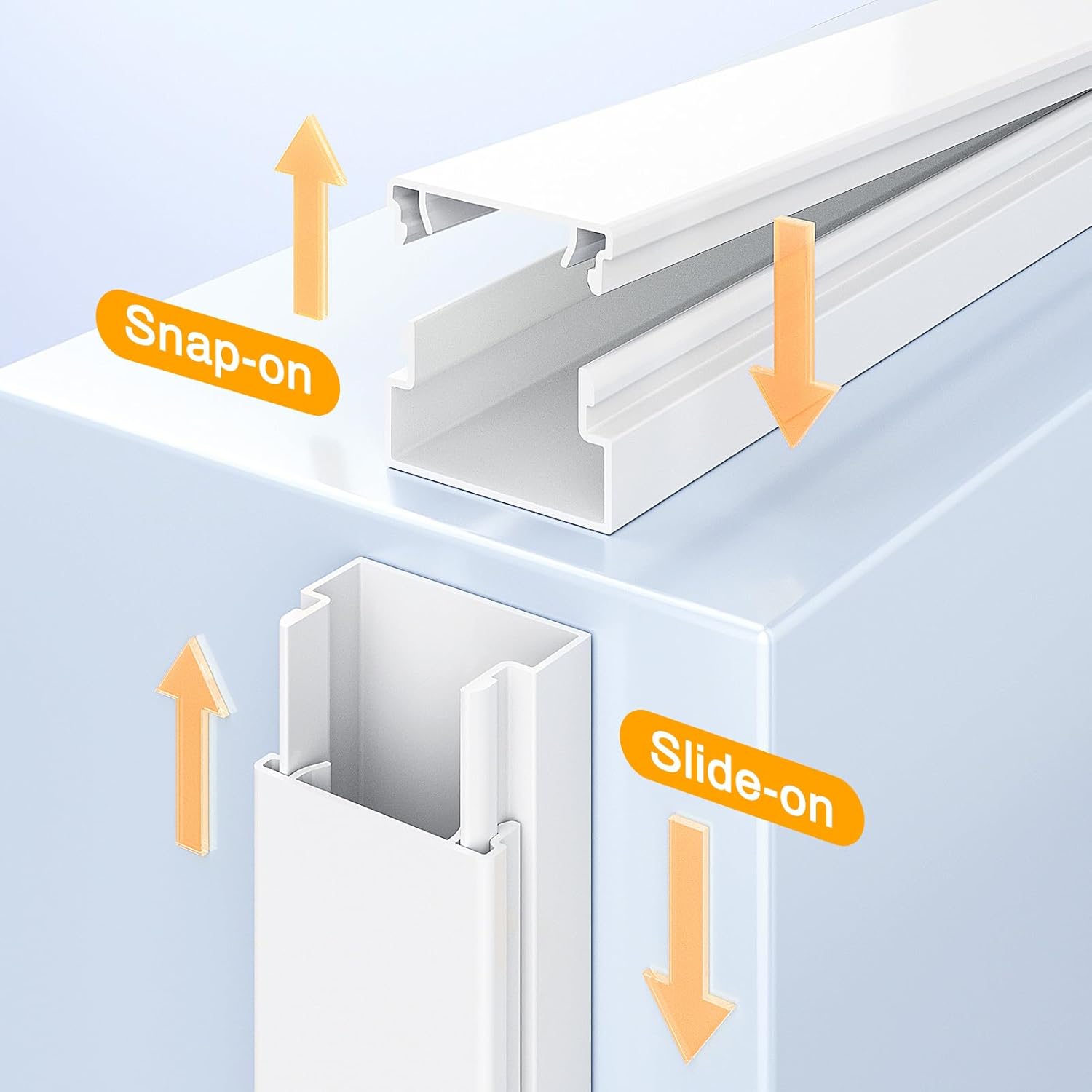
Installation is straightforward for anyone comfortable with basic DIY. Measure and trim the channel to length, clean the mounting surface, and attach using the supplied method or your preferred screws and adhesive — hardware and mounting options vary by model/version.
Once secured, route cables through the channel and snap the cover closed; the covers are designed to open so you can add or remove cords without taking the whole run down. Cleaning requires minimal effort: surface dust wipes away with a soft cloth or duster, and a damp cloth with mild soap handles fingerprints and smudges.
Avoid abrasive cleaners or scouring pads. Some finishes accept paint for color-matching walls, but that depends on the version you have, so check compatibility before applying any coating. For replacements and upkeep, small sections can be swapped out if damaged and extra pieces or extension kits may be available depending on the vendor and version.
Adhesive can weaken over time, so inspect mounts occasionally and resecure with fresh adhesive or screws when needed. Periodic checks after rearranging furniture or adding new devices help keep the installation neat and functional.
Pros and Trade-Offs

The main strengths are a neat, low-profile appearance that hides exposed cords and gives a cleaner look to wall-mounted electronics. The white finish tends to blend with light walls, and the channel-based design keeps cables organized and reduces trip hazards, which many buyers appreciate for living rooms and home offices.
Installation is generally manageable for DIYers: pieces can be adjusted and routed to follow a run, and the system works without opening walls. Capacity and mounting options vary by model/version, so it’s worth checking whether a particular configuration meets your needs before buying.
On the downside, these surface-mounted channels are still visible and can draw attention on darker or textured walls. They’re not a substitute for in-wall wiring if you want a completely concealed solution, and very bulky power adapters or large bundles of cables may require alternative handling.
Overall, the trade-off is between simple, reversible cable concealment and the permanence or invisibility of more invasive wiring methods. For those who want a tidy appearance without remodeling, the approach works well; if you need true invisibility or have unusually thick cables, other options may be better.
Who This Product Is For

This is a good fit for homeowners or apartment renters who want a tidy, surface-mounted solution for running TV and entertainment cables along walls without cutting into drywall. If your priority is a neater living room, home office, or media area and you prefer a DIY installation that stays reversible, this will suit you well.
It’s also useful for people setting up temporary displays, classrooms, or trade-show booths where you need clean, visible cable runs that can be removed or reconfigured. Beginners who want an easier alternative to in-wall wiring will appreciate the straightforward approach to hiding cords and improving appearance.
Skip this option if you need a permanent, code-compliant in-wall installation or must accommodate very large bundles of thick cables; those situations are better handled by an electrician or professional-grade raceway systems. If you require fire-rated or concealed wiring that meets building regulations, look into hardwired solutions rather than surface hiders.
As an Amazon Associate, I earn commission on qualified purchases.