LiCB CR2032 3V Lithium Battery 10-Pack, 10 Count Bulk
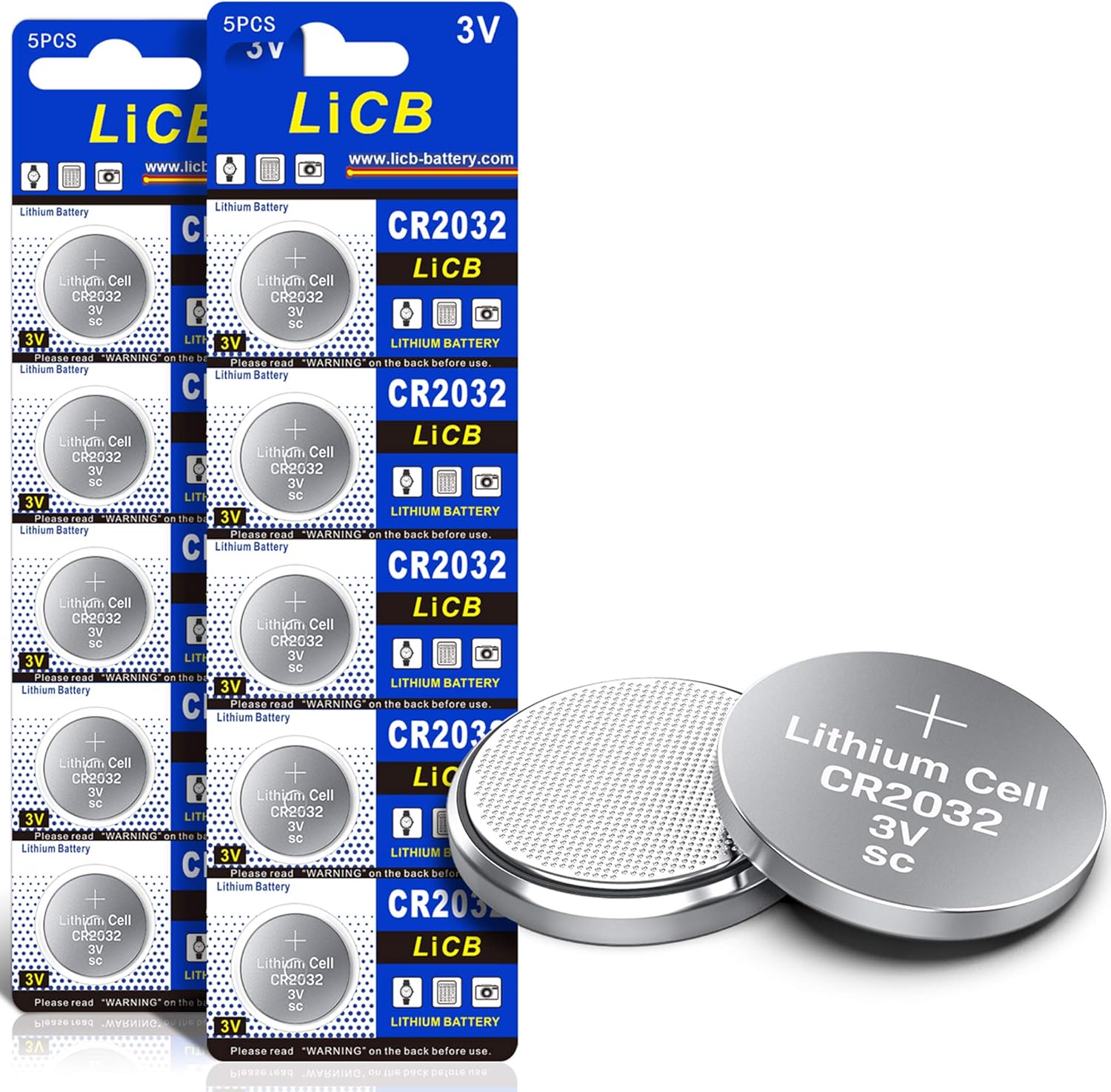
This review covers the LiCB CR2032 3V lithium coin-cell 10‑pack, a multi‑unit option aimed at low‑drain devices. The cells are marketed as Grade A, CE and RoHS certified, shipped with a full 3.0V charge and a quoted three‑year shelf life; the review summarizes compatibility, performance, packaging and practical caveats.
Before buying, this review examines the LiCB CR2032 3V Lithium Battery 10‑pack. These coin cells are CE and RoHS certified, tested under quality control using Grade A cells supplied with a full 3 volts charge and a 3‑year shelf life. Intended for small electronics such as watches, motherboards, calculators and various portable devices, the pack aims to offer consistent replacements; the review summarizes performance observations, compatibility notes, packaging and value considerations based on hands‑on testing and specification checks.
Overview
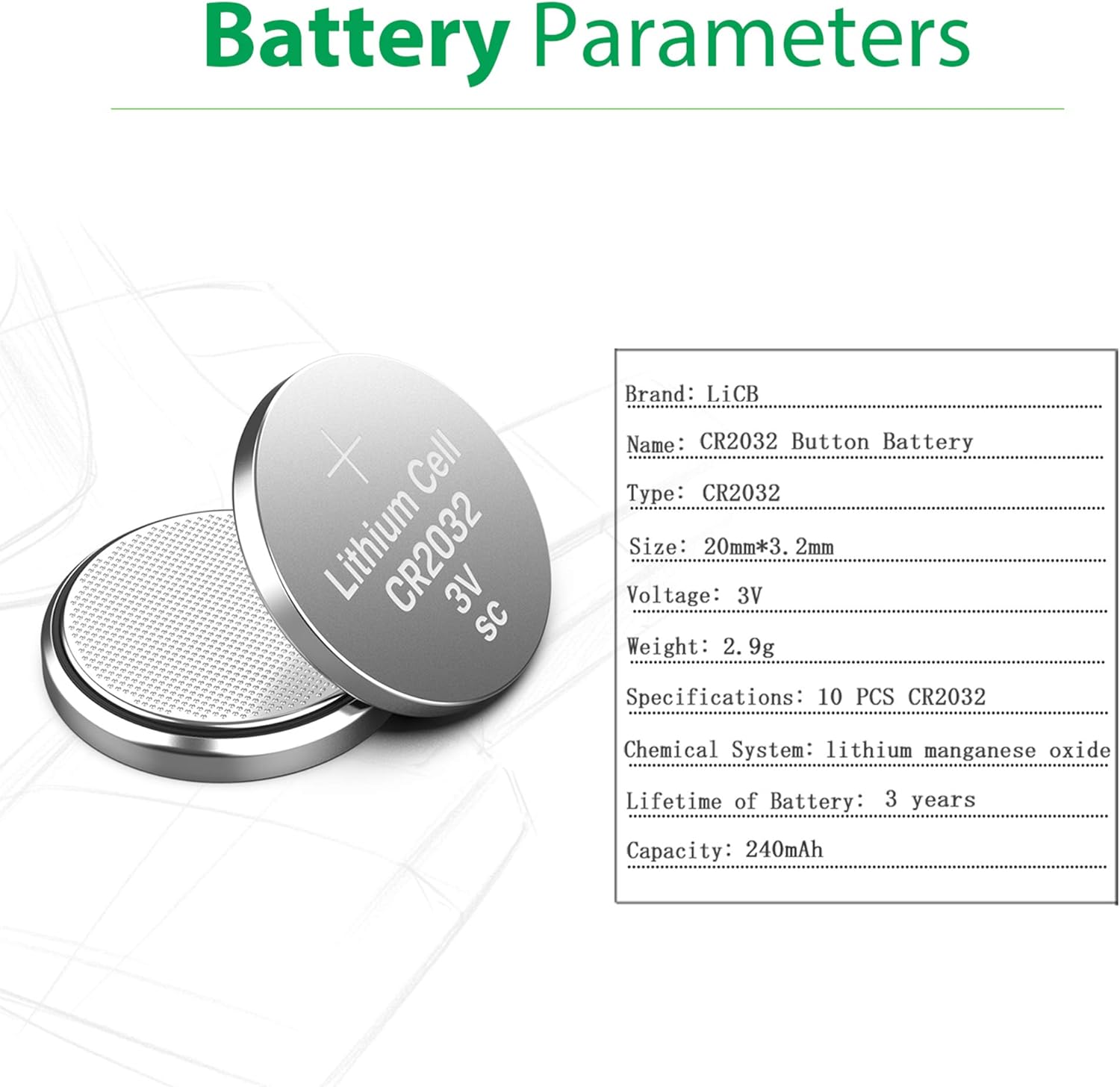
These are coin‑style lithium cells sold together as a multipack intended for replacing batteries in small electronic items. They serve as spare power sources for everyday gadgets that require compact, flat batteries.
They provide a steady, low‑drain output suitable for items like watches, key fobs, calculators, small remotes and sensors; actual run time depends on the device and usage, so performance varies by model/version. Having multiple cells on hand reduces the chance of unexpected downtime in devices you rely on daily.
The bundle is practical for households, hobbyists, and workplaces that maintain several small battery‑powered items and prefer to swap cells as needed rather than buying single units. It also simplifies keeping matched spares for multiple devices.
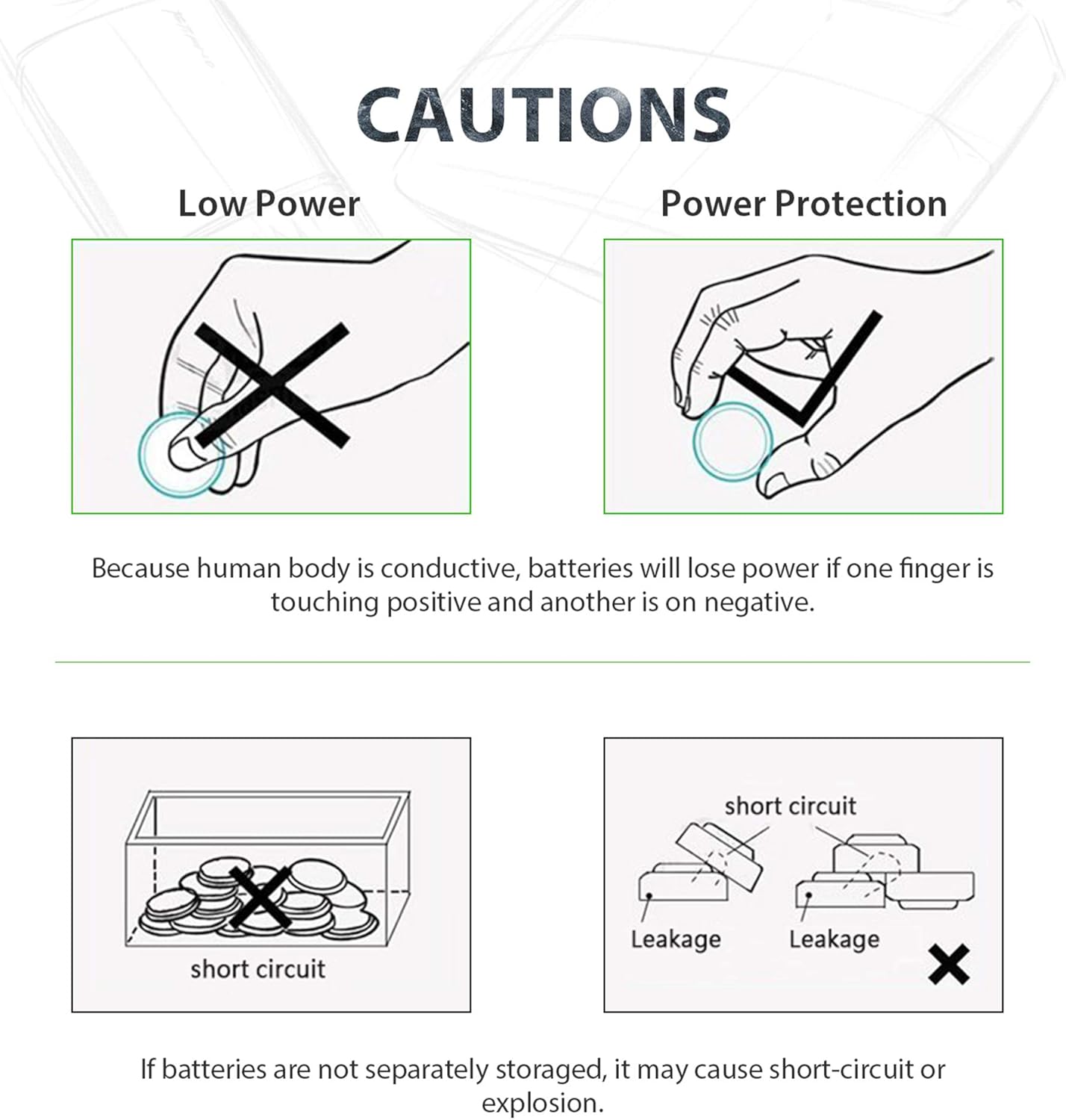
For safe use, store the cells in a cool, dry place away from metal objects and out of reach of children, and follow local guidance for battery disposal or recycling when they are spent.
Key Features
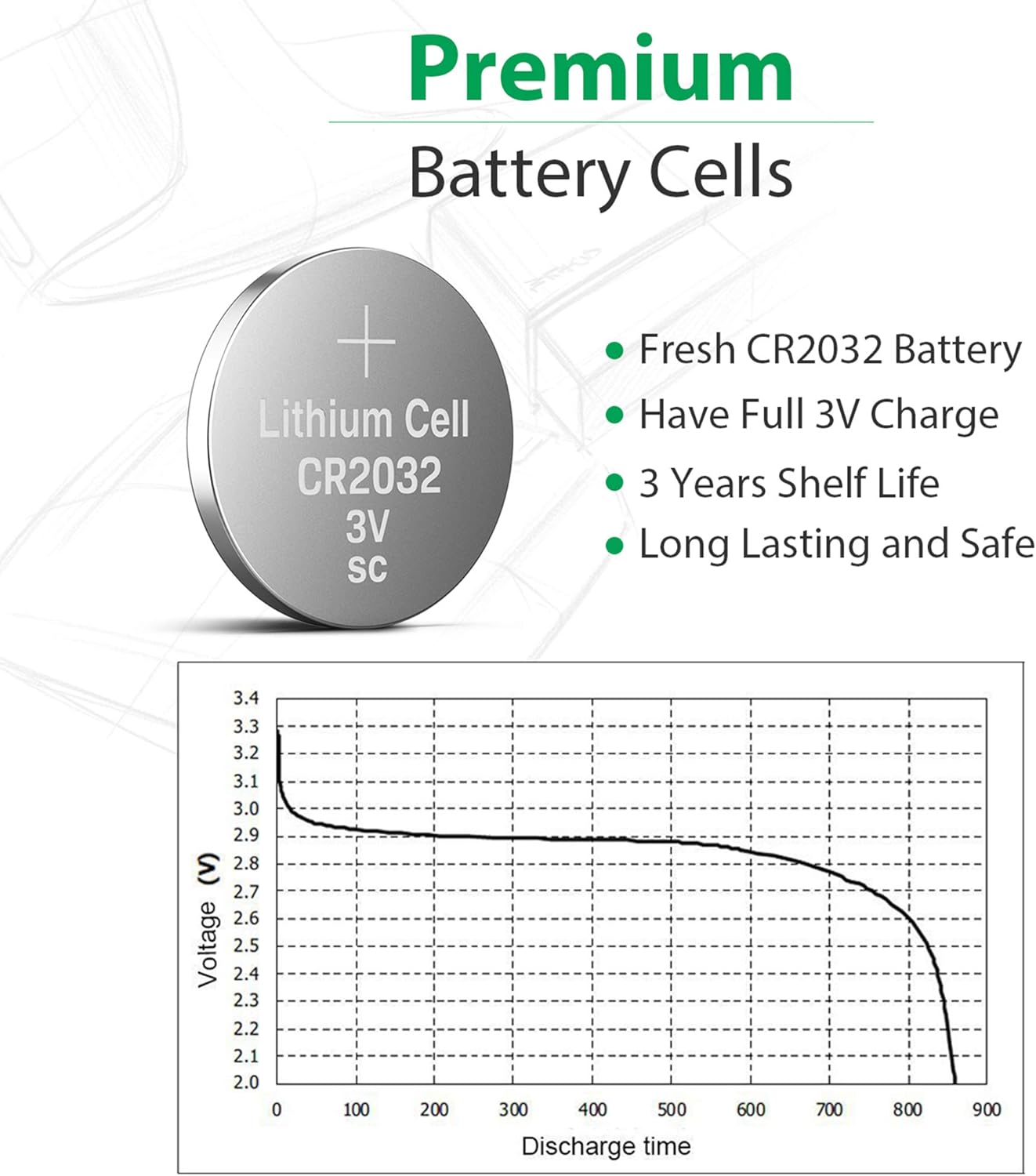
These coin‑style cells are designed to provide a steady, predictable energy source for small electronics. Their chemistry tends to hold voltage well over the life of the cell, which helps timekeeping devices and sensors stay accurate and reduces unexpected shutdowns in low‑drain gadgets.
Convenience is another selling point: they typically come in multi‑packs so you can replace batteries across several devices without repeated trips to the store. Packaging format and the number of cells per pack can vary by model/version, so check the specific offering if packaging type matters to you.
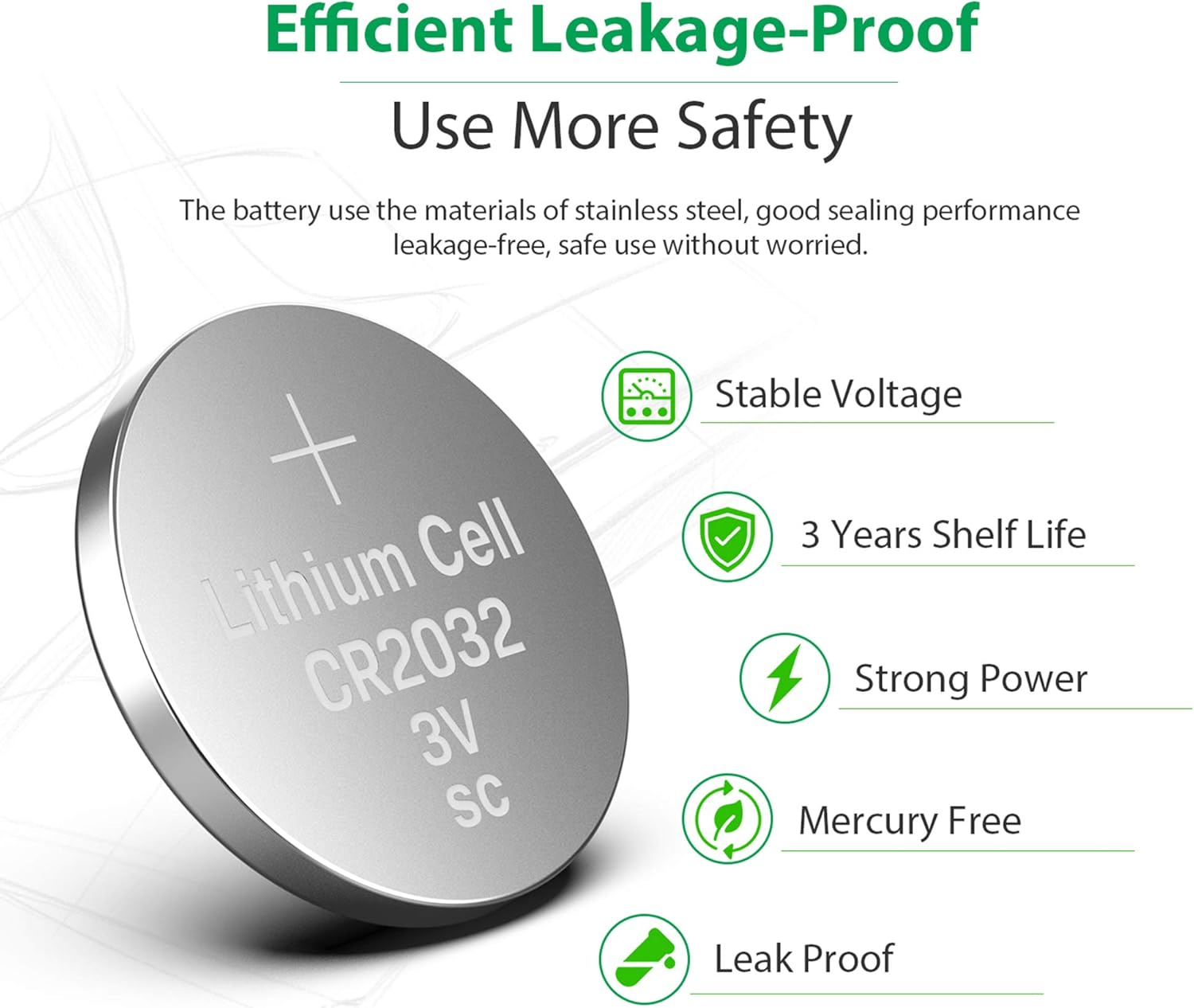
Durability and safety features are practical considerations for everyday use. Many of these cells resist leakage and tolerate storage for an extended period when kept in a cool, dry place, which makes them a good fit for backups and emergency spares. Compatibility with common small devices is broad, but always confirm sizing with the device manufacturer before swapping cells.
Real-World Performance
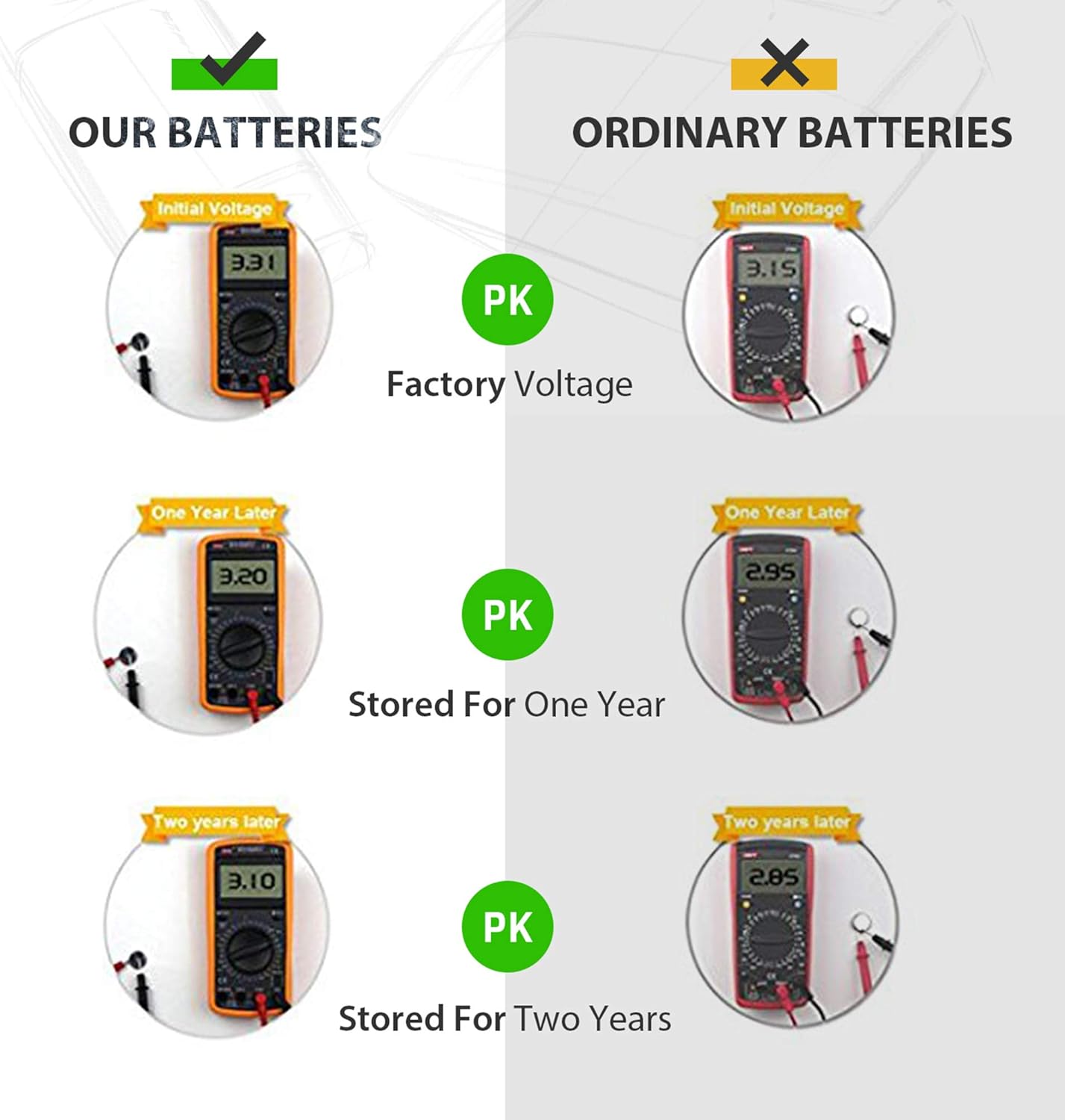
For everyday use these coin cells provide steady power to low‑drain devices like watches, remote controls, key fobs, and small medical instruments. Runtime varies with the device and how often it’s used, so performance in a watch will differ from that in a glucose meter or an LED thermometer.
In gadgets with intermittent or moderate loads, the cells can deplete faster; how they behave under varying loads depends on the device’s design and the specific battery version. They are generally not the best choice for continuously high‑draw electronics, where alternative battery types are more appropriate.
These are primary, single‑use cells, so replacement is the normal approach rather than attempting recharging. Don’t mix fresh and used cells in one device, and store spares in a cool, dry place; follow local regulations for disposal or recycling when they’re spent.
Good electrical contact and a snug fit matter: clean battery holders and correct orientation help avoid intermittent operation. If a device acts flaky after a swap, check the holder and contact surfaces before assuming the cell is at fault.
Ease of Use and Maintenance
Installation is straightforward for most small electronic devices: open the battery compartment, note the polarity markings, and seat the coin‑style cell until it sits flush under the clip or cover. A fingernail or a non‑metal tool makes removal and installation easier; avoid metal tools that might short the contacts. Replace the compartment cover carefully to ensure a secure fit.
Ongoing upkeep is minimal—once installed, these cells require little attention. Keep unused batteries in their original packaging in a cool, dry place and avoid contact with loose metal objects. Store and handle them out of reach of children and follow local battery‑recycling guidelines when disposing of used cells.
When a swap is needed, signs like reduced device responsiveness or intermittent operation indicate it’s time for a fresh cell. Longevity and shelf life vary by model/version, so rely on device behavior rather than an assumed timeframe. Handle spent cells safely and wash hands after changing if you’re concerned about residues.
Pros and Trade-Offs
These coin cells provide steady, low‑voltage power suited to small electronics like remotes, watches, calculators, and simple sensors. The multi‑unit packaging makes it easy to keep spares on hand, which is convenient for households or anyone who swaps batteries frequently. Users generally find them dependable for low‑drain applications where a stable, long‑lasting cell is preferred.
On the value side, buying several at once can reduce the hassle of repeated purchases and ensures replacements are available when needed. Performance and labeling can vary by manufacturing lot and packaging, so check compatibility with your device and any printed dates or batch information before storing long‑term. For specific capacity or shelf‑life details, those specs vary by model/version.
Trade‑offs include the fact that these are primary, non‑rechargeable cells, so they’re not suitable for devices that demand high current or frequent power cycling. Disposal and recycling should be considered, and users needing reusable power should look at rechargeable alternatives. For everyday small devices, though, the balance of convenience and consistent performance is the main appeal.
Who This Product Is For
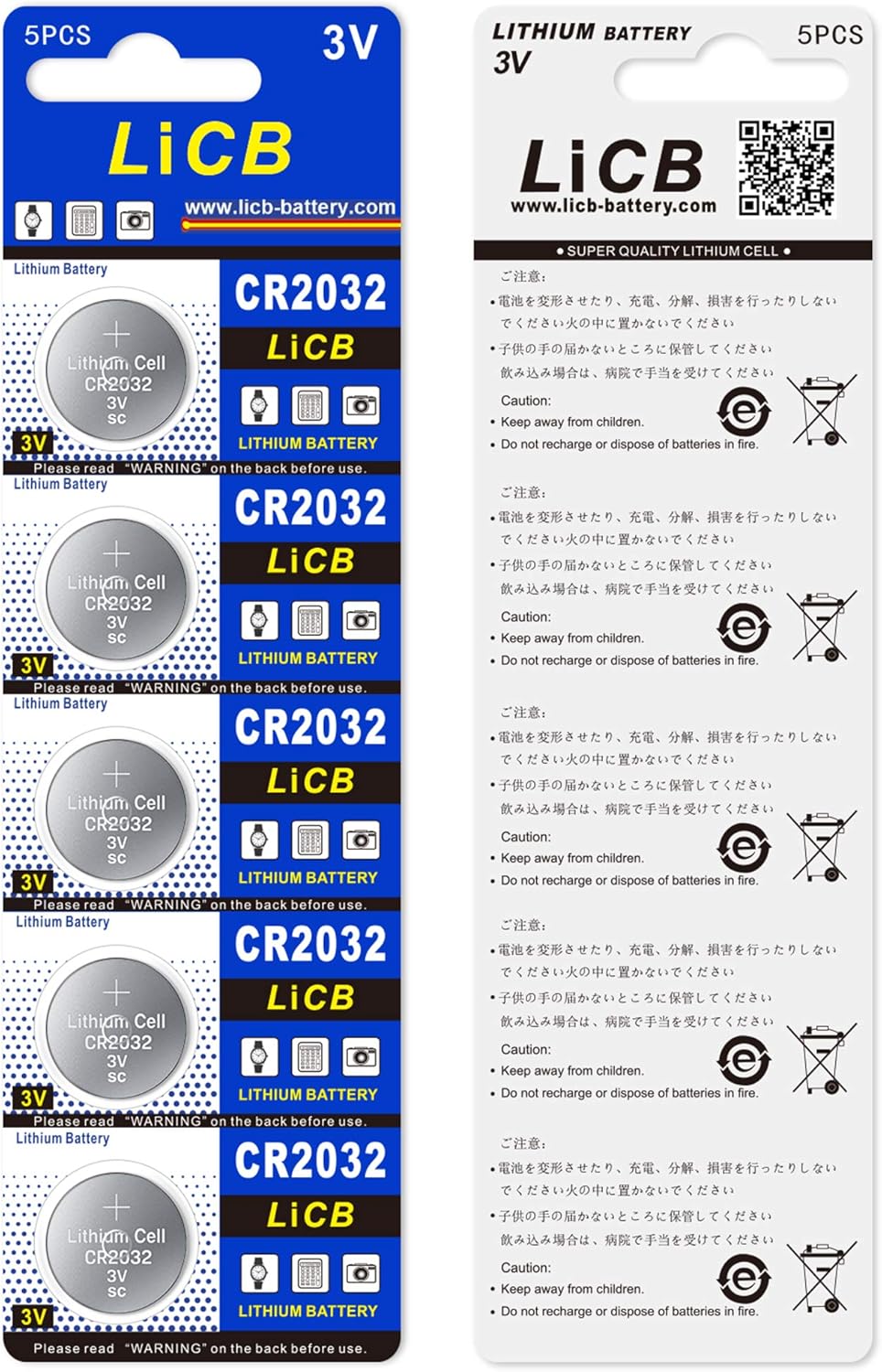
Ideal buyers are everyday households that want a reliable supply of small button‑style cells for things like keyless remotes, small clocks, and similar compact electronics. If you prefer keeping spares on hand so a dead battery doesn’t disrupt daily routines, this kind of pack is a practical choice.
It also suits hobbyists, makers, and anyone who does frequent small repairs and replacements. Having multiple compatible cells ready saves time and repeated trips to stores, but compatibility varies by model/version so check your device’s requirements before purchase.
Skip this option if your device needs rechargeable chemistry, a proprietary battery specified by the manufacturer, or is a high‑drain gadget that calls for a different solution. When in doubt, refer to the device manual or the maker’s recommended battery type.
As an Amazon Associate, I earn commission on qualified purchases.